
What Does a Chiropractor Do? Roles & Treatments
Chiropractors do more than simply "crack backs." This article explains how chiropractors assess posture, movement, and spinal health to identify the underlying causes of pain and dysfunction. It also outlines common conditions chiropractors treat, what to expect during a first visit, and the various techniques used to support long-term musculoskeletal health.
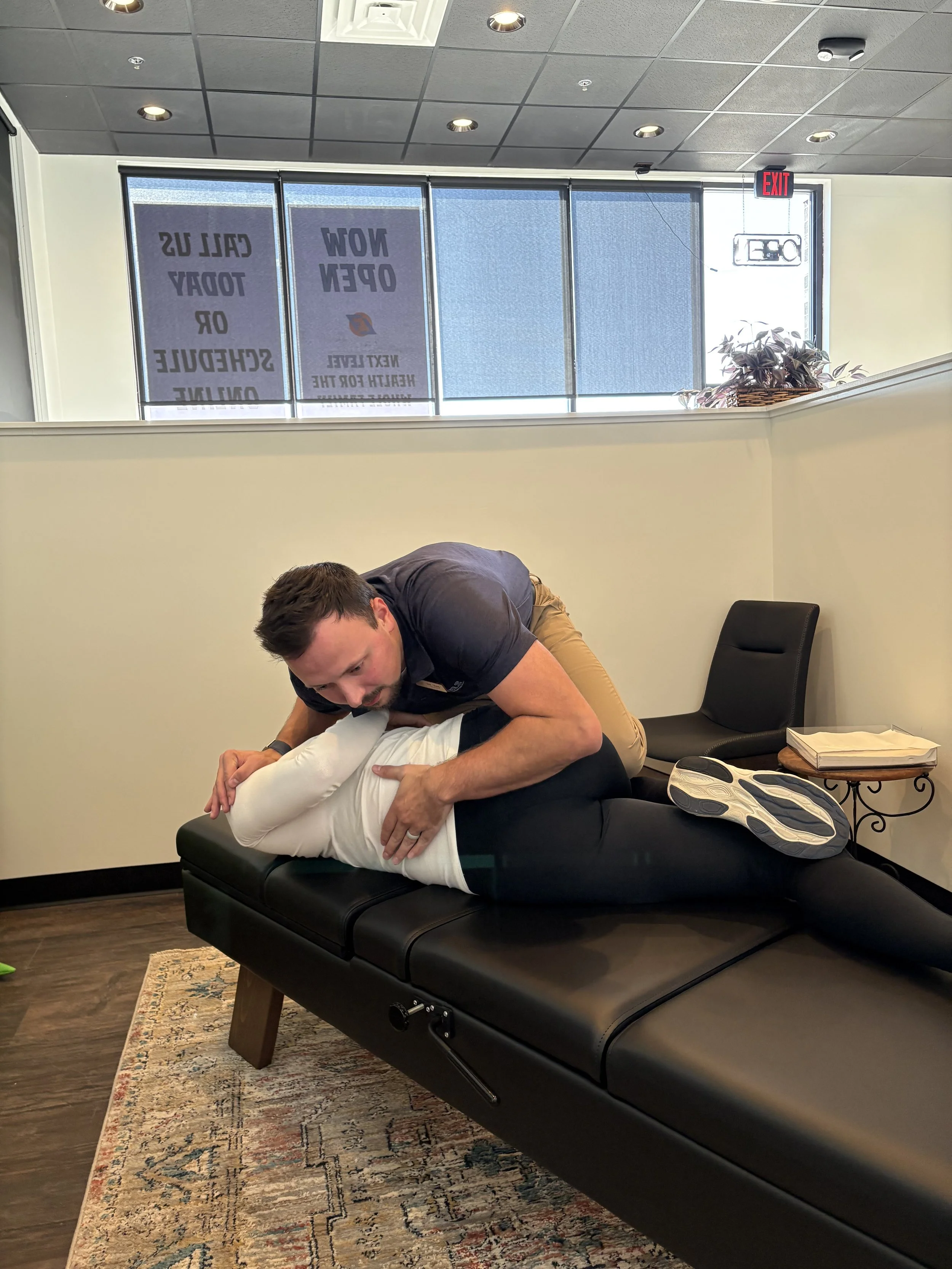
Many people assume the main purpose of a chiropractor is simply to "crack backs," which is sort of like thinking the sole purpose of a dentist is to "clean teeth." While they may do those things, neither of them sums up most of what is going on.
Chiropractors are licensed healthcare providers. Period. In the state of Iowa, a chiropractor must first spend four years earning a doctoral degree from an accredited chiropractic college, after completing undergraduate education in anatomy, physiology, biology, and other science fields.
They must then pass national board exams and meet all state licensing requirements, followed by annual continuing education to maintain their license. The American Chiropractic Association states that chiropractic doctoral programs contain 4,200-plus hours of instructional and clinical education.
Nope, no one becomes a chiropractor by enrolling in a weekend bootcamp. It takes years of education for a chiropractor to be permitted to begin performing adjustments on patients. To get a deeper look at what chiropractors actually do and how the profession is defined, Palmer College of Chiropractic, the founding institution of the field. offers a thorough overview.
Chiropractors Are Licensed Healthcare Professionals Whose Area of Expertise Is the Musculoskeletal System

Chiropractors look to determine where the breakdown in that communication has happened. Through evaluation of posture, range of motion, spinal alignment, and the response of the nervous system, chiropractors are able to find the root cause of the problem.
They pay special attention to your nervous system. That's because your spinal cord and its surrounding nerves run from head to tail and are protected by the spinal column. Properly functioning spinal joints are necessary for your brain to communicate with your organs and extremities.
We often see this in patients who come in complaining about low back pain, but the real source of the problem is actually their hip or their pelvis and even their feet. The lower back may be where it hurts, but it's not what's causing it.
What the Musculoskeletal System Actually Refers To
Chiropractors are concerned with your musculoskeletal system. What is the musculoskeletal system? It is the collective bones, joints, muscles, and connective tissue of your body.
If any one component of it is not aligned properly, the rest will compensate for its absence. A short leg changes the manner in which you walk. One vertebral misalignment causes pressure to be applied to surrounding nerves.
A tight neck influences shoulder motion. There are a vast number of possible scenarios that will occur if anything is out of alignment, as it all talks with everything else throughout the body.
Conditions Chiropractors Address
What most new patients in Urbandale will not expect is that the chiropractic profession does not just care for adults with bad backs.
It is an unfortunate fact of life that we are subject to all kinds of trauma and wear from the time we first begin moving around. Kids are going to fall off the jungle gym.
Adult athletes are pushing the body to its limit. Pregnant women are experiencing the physical effects of carrying the weight of a growing fetus and are adjusting to new levels of gravity. Office workers are stuck at their desks for eight to nine hours a day.

Chiropractors are qualified to assist patients who are experiencing problems related to the musculoskeletal system in any of the situations mentioned above.
This includes:
Back pain and neck pain resulting from physical demands
Headaches due to tension in the neck
Sciatica and nerve pain in the legs
Postural problems as a result of sitting at a computer
Sports injuries
But they can do so much more! This includes pregnant women who are looking for help managing the stress of the weight they carry, and babies or other young patients requiring gentle, low-force adjustments. This is not a fringe area of chiropractic. Recognized specialties within the field that possess individual training and technique protocols.
What Distinguishes Chiropractic from Other Health Care
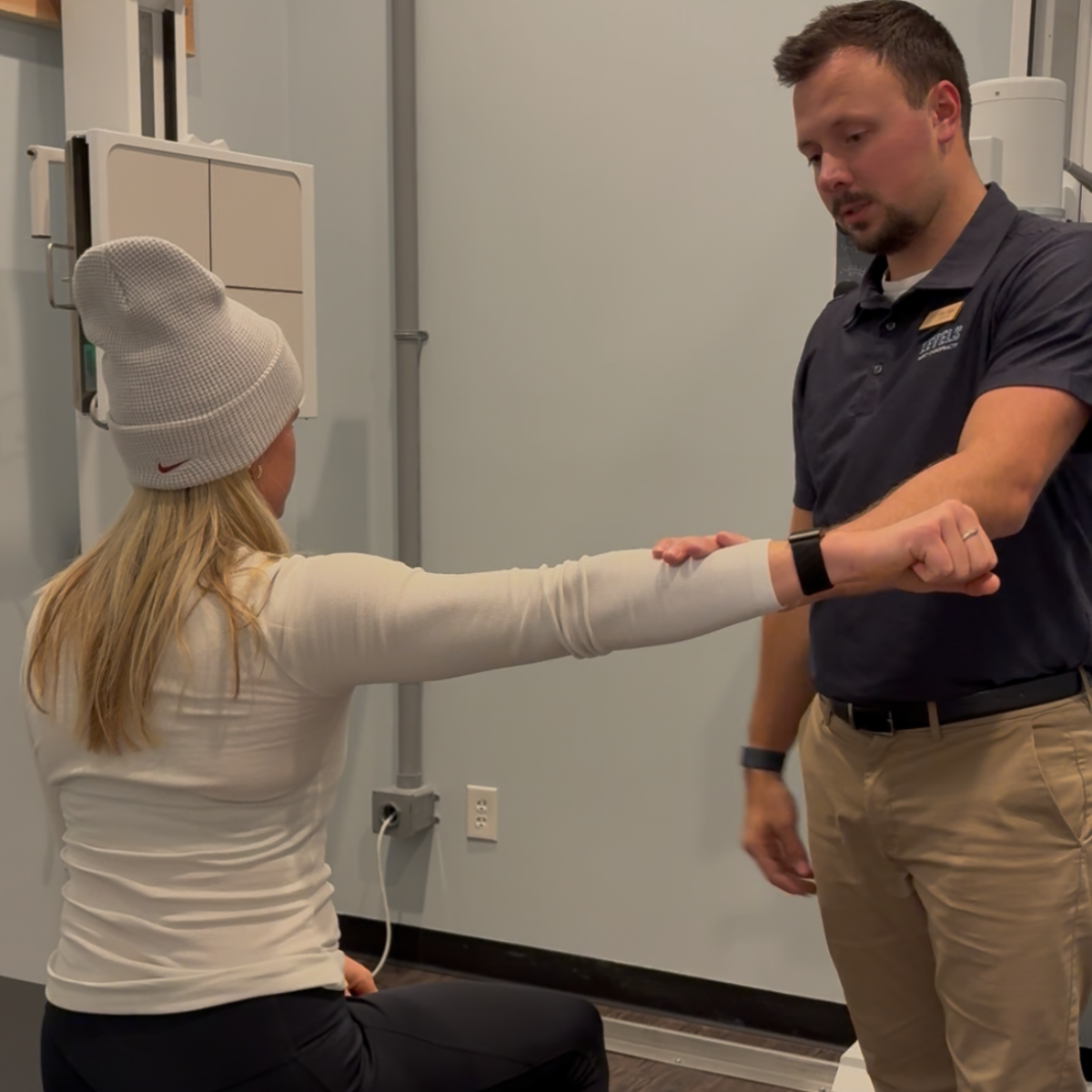
Generally, conventional medicine zeroes in on symptoms. You tell them your issue and then receive a solution for that specific issue. Chiropractic takes a look at your entire system and asks why it is occurring.
I do not mean this as a critique of other health care providers; chiropractic care merely operates under a different mindset, and for a variety of musculoskeletal issues, that mindset is correct.
Here is another factor that is frequently overlooked. Chiropractic care does not use pharmaceutical drugs.
The focus is to improve function so the body can perform as intended. This is a major draw for many Urbandale families who wish to avoid medication as their first course of treatment.
I became a chiropractor because I firmly believe the body's healing ability is greater than is typically given credit. It is important that you be educated, because you must understand this. And when you truly understand what a chiropractor does, the question "Should I give it a try?" becomes "Why did I wait so long?"
Chiropractic Care Starts with an Assessment, followed by an Adjustment
Many patients come expecting to get laid out and "cracked." This is not the usual case. Before any action is taken against your spine, a chiropractor needs to know what is happening in your body. An assessment must occur first. Every time. It amazes me how prevalent this belief is. Patients will arrive with back issues and are quite bewildered when I start my appointment by asking questions and watching their movements. However, this interview is really where it all begins.
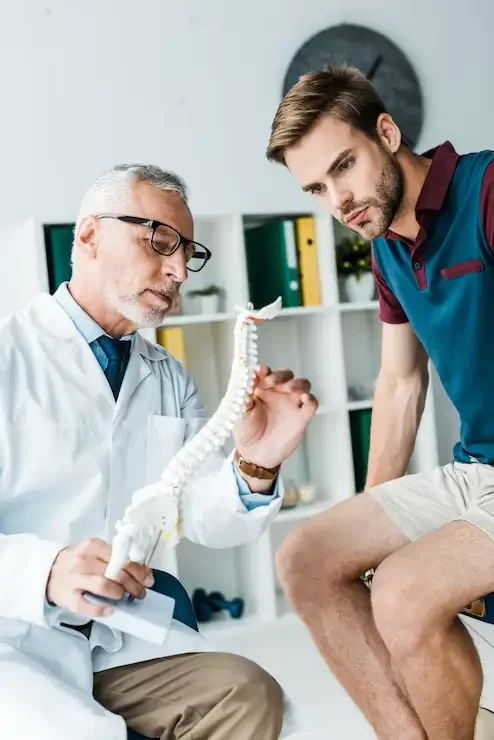
How The Chiropractic Assessment Occurs
Your initial appointment will follow a specific order. You can expect the following to occur from start to finish.
Review of the health history. You'll describe your signs and symptoms, how long the signs and symptoms have been occurring, what factors may improve or aggravate your condition, and your history of previous injuries or medical conditions.
Examination of posture The chiropractor will check how you stand, how your shoulders sit, and whether your hips are even. A look at your posture can reveal a lot before you lay on the table.
Examination of range of motion. You'll be asked to bend, twist, and lean. This will demonstrate to the chiropractor where movement may be limited and where it may be compensating.
Orthopedic and neurological tests. The orthopedic and neurological tests help the chiropractor to rule out other problems that a chiropractic adjustment is not appropriate for, and to determine what structures are involved.
Musculoskeletal palpation. The chiropractor will go along your spine and adjacent muscle groups looking for tightness, pain, and areas that are moving out of normal range.
Only after everything has been completed can the adjustment take place. This is the reason why the adjustment works!
The Reason for the Sequence

Take a typical situation I see often for example. An Urbandale area mom walks in with months of headaches. She thinks they are just stress related. During her postural analysis I note her head is in front of her shoulders. Her left range of motion is decreased.
Palpation shows restriction at the top of her cervical spine. None of this was mentioned in her history. She said "headaches". The evaluation makes things much more clear. That is what it's about. Your symptoms are a good place to start but that isn't your diagnosis.
The evaluation shows you what is going on. And that is different for every patient. What you see in the 10 year old kid who plays sports with an injury will not be the same postural analysis or range of motion as a new mom or a older person with low back pain. But the foundation remains the same.
What An Actual First Visit Is Like

This isn't an arbitrary way to do things. This is simply how we practice. What you don't realize until you have actually been here is this first evaluation visit may teach you as much about your body as all your previous symptoms. You know why you're hurting, not just that you are. If you are wondering what an actual first visit with us would be for your specific problem we explain everything we do and who it helps best on our chiropractic care page.
Jumping to an adjustment would be equivalent to a mechanic replacing your oil when the issue is your transmission. A chiropractic adjustment needs to be done in a specific location. It will not help you if we simply guess where the adjustment should take place.
For me, that was the reason that I also became a parent.
Now, when I bring my own kids in, I want someone that looks at the entire body before they make any moves. That's what I bring to each patient that comes in in Urbandale be they a baby or a pregnant woman or someone with neck pain for three years. The evaluation also protects you too.
Chiropractors are trained to refer out when a condition needs to be treated by another provider, the American Chiropractic Association says. So that part of the evaluation isn't just for show it's part of what keeps chiropractic care safe.
The Most Commonly Used Techniques In Your Treatment Plan

Our patients come into our practice all the time expecting us to only do something but they leave amazed that we incorporated many different treatments. Here are some of the techniques we use in each appointment.
Spinal Manipulation: The actual spinal adjustment
Adjusted force applied to the joint: This involves correcting joints to regain motion and alleviate tension on irritated nerve tissues.
Soft tissue manipulation: Rather than focusing solely on the joint, the practitioner concentrates on the muscle and connective tissue surrounding the problematic area.
Postural analysis and adjustment: This addresses how a patient sits and stands, working to resolve body misalignments driven by bad postural habits.
Mobilization: Rather than perform a high-velocity chiropractic adjustment to restore movement to the joint, a more conservative method is implemented. Mobilization is typically used to treat children or other joints that cannot handle a more intensive adjustment.
Near-infrared light therapy: This form of treatment uses light to help tissue repair and inflammation without actually making physical contact.
No two patients will have the same experience, and not everyone will get the same type of care. If a 35-year-old presents to a Chiropractic Urbandale clinic with lower back pain from excessive sitting at a computer desk, what is implemented is going to look much different than what a 7-year-old gets after an unfortunate fall in the playground at recess.
Technique Selection Matters
Knowing when it is time for a chiropractic adjustment or if you should use a different technique does not come naturally. The technique must align to whatever is affecting that patient that day. I am committed to explaining what the procedure will be ahead of time. Patients should never feel surprised at a Chiropractic office, especially children and new chiropractic patients.
In some situations, for example, a patient in a pregnancy appointment, Webster Technique can help to align the patient's pelvis. It is much gentler and more specific than a routine lumbar adjustment. It does not make sense to use the same technique with a high schooler suffering from a sports injury and a pregnant woman experiencing round ligament pain. This is why it's so important to select the correct type of technique for each person.
In other situations, soft tissue manipulation is a very important part of healing. If the muscle tissue around a joint becomes tightened or cramping, the adjustment that restores joint health can quickly become undone if that muscle continues to pull on the joint. When addressing the tissue in the vicinity of a patient's injury, the tissue manipulation is just as important as the actual adjustment itself.
Near-Infrared Light Therapy Explained
Near-infrared light therapy is another example of a technique that patients are often not familiar with. There are no injections or pressure involved in this treatment. In order to help the patient, the doctor will apply the appropriate wavelengths of light to help the body repair itself.
According to an article in a Photo biomodulation, the near-infrared wavelength allows the light to go deep into tissue to help the mitochondria and help your body repair itself on a cellular level.
We have used near-infrared light therapy in many circumstances, including reducing inflammation in a patient's body, treating soreness after a spinal adjustment, and helping the patient in an area of injury that needs additional assistance beyond what manual treatments can do. This technique has a great impact on healing that patients may not have had in the past.

Most people do not realize that chiropractic care is a process, not a one-and-done treatment. Patients often come for a few visits with no noticeable relief and then suddenly see progress. Chiropractic adjustments and techniques work together in this process. For example, adjustments restore the patient's spinal motion while soft tissue manipulation will help the spinal motion last.
Then postural corrections and advice can help the patient maintain that alignment in their everyday life. This is what brings the body to a place of long-lasting relief. If you want to know what type of chiropractic care works best for you, we encourage you to look at what types of chiropractic care are available in Urbandale.
Frequently Asked Questions
Frequently Asked Questions
What actually happens during a chiropractic adjustment?
A chiropractic adjustment is a controlled movement applied to a specific joint to restore proper alignment and motion. Your chiropractor first evaluates your posture, range of motion, and spinal alignment before touching anything. Then they apply a precise, quick force to the joint. You may hear a popping sound — that is just gas releasing from the joint space. It is not bones grinding. Most patients in Urbandale are surprised by how gentle it feels compared to what they expected.
How is chiropractic care different from seeing a regular doctor?
Chiropractic care looks at why a problem is happening, not just what the problem is. A conventional doctor typically treats your symptom directly. A chiropractor evaluates your whole musculoskeletal system to find the root cause. Chiropractic care also does not use pharmaceutical drugs. For Urbandale families who want a non-medication option for musculoskeletal problems, this is often the deciding factor. If you want to understand how this fits your situation, our chiropractic care in Urbandale page explains the full process.
Why does my lower back hurt if the real problem might be somewhere else?
Pain often shows up in a different place than where the real problem is. Your musculoskeletal system is connected — bones, joints, muscles, and nerves all influence each other. A misaligned hip or pelvis can put stress on your lower back. A tight neck can affect your shoulders. Chiropractors are trained to trace pain back to its actual source. Many Urbandale patients come in for low back pain and leave learning the issue started in their hips or feet.
Is chiropractic care only for adults with back pain?
No — chiropractors treat patients of all ages and many different conditions. Kids, pregnant women, office workers, and athletes all benefit from chiropractic care. Chiropractors address neck pain, headaches, sciatica, sports injuries, and postural problems too. Gentle, low-force techniques exist specifically for younger patients and pregnant women. Back pain is the most common reason people walk through the door, but it is far from the only reason chiropractic care helps.
Do chiropractors in Iowa need special training and licensing?
Yes — Iowa chiropractors complete a four-year doctoral program after undergraduate science coursework. The American Chiropractic Association notes that chiropractic doctoral programs include over 4,200 hours of instructional and clinical education. After that, they must pass national board exams and meet Iowa state licensing requirements. Annual continuing education is also required to keep that license active. Your chiropractor in Urbandale went through years of training before ever performing an adjustment on a patient.
What should I expect at my first chiropractic visit in Urbandale?
Expect your first visit to start with questions and observation — not an immediate adjustment. Your chiropractor will review your health history, watch how you move, and assess your posture and spinal alignment. This evaluation happens before anything else. Many new patients are surprised by this step, but it is how your chiropractor figures out what is actually going on. Only after that assessment does any hands-on treatment begin. Come ready to talk about your symptoms, daily habits, and any past injuries.