
Pediatric Chiropractic Care in Urbandale

Not many parents choose to take their kids to a chiropractor on a random day. What usually happens is they notice something. Their seven-year-old is complaining of frequent headaches. Their kid is slouching like question mark from screen time. The standard options have been exhausted, and nothing has worked.
Then they begin to ask questions. And this is exactly where we come in.
The parents in Urbandale have their hands full. Many have two parents working households with the school year in full swing. There are travel tournaments for soccer on the weekends and screen time that no parent intended to give. All of this takes its toll on your kid's spine and nervous system. Kids wear backpacks that are too heavy, they spend hours sitting down, and sporting schedules are busier than ever. The body remembers, even at a young age.

I hear the following all the time from parents in this area:
Their kid has headaches with no identifiable cause
They haven't been able to sleep through the night for months
They get sick all the time
They constantly constipated
They've seen a pediatrician, but the situation just doesn't get better.
These are not inconsequential. And too many parents feel out of options before they have a thought about a chiropractor. Pain is a serious signal for a child. If you child is complaining of pain they are overdue to get checked.

This happens more than you might expect. Parents come to us for their own neck pain and they feel better. Then we'll hear that their eight-year-old has been struggling with sleep for months. This is the conversation that changes the trajectory for the entire family.
These are not inconsequential. And too many parents feel out of options before they have a thought about a chiropractor.
Chiropractic care give an option to treat body wide issues, naturally, relying on our own bodies healing process to take place, and see what issues and symptoms noted improve.
What Takes Place During a Child’s Initial Visit

Here's a typical first visit timeline:
Health and parent review
Postural and spine assessment
Show of findings and what we noticed
Walk-through of what the adjustment looks like, and what it does for their body at that spot
Child's gentle adjustment based on their age and what we see
Brief follow-up and what to expect after it's done
It is normal that parents feel just a little apprehensive when walking in the door. That's expected.
The first thing we do is discuss. Parents talk to me wherever the child is happy to be, whether in the consult office or in the kid room playing while we talk. We talk about what things their child struggles with, whether it is as straight forward as them saying their back hurts or something more complicated like they have digestive issues or have troubles focusing at school.
I also want to get to know the child. What characters do they like, what do they like to do, what is their personality like. The biggest thing for a child in our office is making sure they are comfortable in our office. Chiropractors that jump straight in and adjust a child can scare them. We focus on building trust with you child. Some kids might get adjusted the first day, others might not if they are skiddish.
There are a lot of variables for what adjustment would look like depending on the age of the patient. Kids under 3 years old I use fingertip pressure, similar to how you check the ripness of an avacado. We can start to introduce some “big kid adjustments” around 3 years of age, depending on their comfortability with me and getting adjusted. Seeing mom, dad, or an older sibling getting adjustments make them want to try it too. Adjustments are always light and gentle if performed manually.

Most kids walk out feeling more relaxed than when they came in, and most parents feel more confident than when they came in. That's what we aim for each visit. If a child is young it is common for them to sleep through the adjustment. If they are 2-5 they often laugh and giggle through the whole thing. Some teenagers smile, others don’t. Parents report their teenager can complain less, no promises on that department
Conditions Pediatric Chiropractic Can Treat for Each Age

Parents tend to be surprised by the variety of things that we can help with. It's not just "my kid fell off the monkey bars". We see babies, young children and teens, with each age group having a unique set of issues.
Infants are one of the biggest groups that we see here in Urbandale because birth can be hard on a baby's spine and neck, even if everything goes right. There are those babies that have only one side they want to nurse on or only one way they want to look, and it's not a coincidence. It's an indication to the brain that something isn't right. It can show up as something as severe as colic.
The adjustment to the nervous system in a baby that we do is extremely light, not forceful, not dramatic, and are often suprised how gentle it is.
Toddlers and early childhood children fall a lot. That's their job at this age. Most falls aren't a problem, but many small bumps over time can cause spinal misalignment before the child feels any discomfort.
We also encounter children in this category who may be struggling with sleep, have frequent ear infections, or have an immune system that is not responding optimally.
Teenagers have busy schedules. Sports that are year round, sitting in class all day, hobbies that have them sit for hours on end, and maybe even starting out with their first job. The goal for kids receiving chiropractic care is to keep them active and not have to be held back, helping kids be kids.

Chiropractic care helps our body by supporting the nervous system, we can facilitate the body in doing what it was meant to do.
We are also seeing more and more school-age children in the Walnut Creek area and the surrounding Urbandale area presenting to us with postural issues.
Too much screen time, heavy backpacks, long periods of sitting at a desk, rounded shoulders, forward head posture, kids with three headaches a week. Some may say “well that's just normal”, and that is not true.
Some of the more common concerns we see of all ages are colic and feeding difficulties in babies; recurrent ear infections and compromised immune systems, digestive trouble, postural and tech neck issues in school-age children; tension and headaches in older children and teens; sports-related injury and strains in active youth as well as growing pains.
The teenage years bring a whole new set of circumstances and issues on their own. They are involved in sports, stressed, in and on their phones all the time, but they respond just as well to care. It's amazing when a teenager says, "I feel better," and we see it throughout the body, not just in the back.
How the type of birth that occurred in your life may play a role in the need for an early evaluation by a chiropractor.
Many people think of a chiropractor in regard to a child in later childhood, but childbirth is one of the most physically challenging things that ever takes place in the human body.
This is also true for the newborn.
The type of birth that your child has is actually something that you should be asking about at a young age; many times, parents will come to us several months later saying that their newborn child does not want to lie on his or her side, or is very fussy with eating, and many times, the issues relate to the prenatal care.
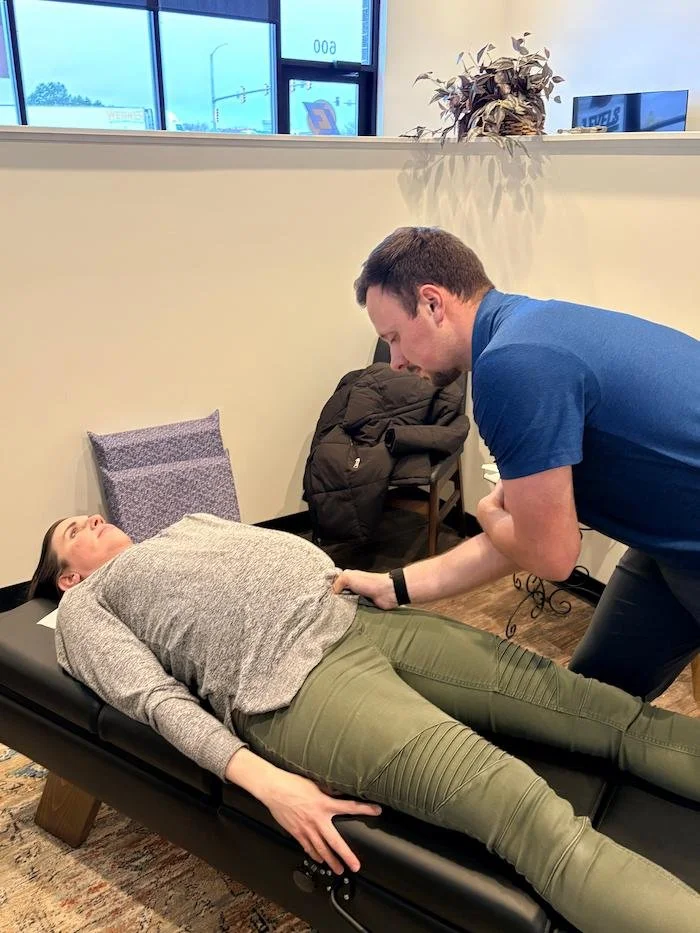
The type of birth may impact the new born in several ways:

C-section birth: The way in which a C-section is performed may put stress on the child's upper neck and cervical spine. The way in which the child is "pulled" may be very effective, very controlled, but the upper neck may have some significant stress.
Using vacuum or forceps to assist the birth: The use of vacuum, or forceps, or other means to assist a child may create stress on the neck and head of the newborn. There is a lot of potential for a baby to have upper cervical tension with these methods.
Long, hard labors: A baby may have pressure on the spine and head with a long birth, especially when not assisted with forceps or vacuum. In this circumstance, babies can develop restrictions to movement that we cannot identify without an exam.
Fast labors: A long birth is not the only thing that could impact an infant's upper neck. Sometimes babies can be born very quickly and it can be equally jarring to a baby's nervous system.
This does not necessarily mean that there is something "wrong" with your child, it simply means there are certain risks that we should be aware of so that we can offer you an early evaluation and care if needed, in the hopes to minimize issues such as colic, trouble breastfeeding, poor sleeping and the like that could potentially arise.
And yes, a baby may not have been involved in a vacuum delivery or may not be a C-section; they could have even been born very quickly, which can still have potential to impact a child's neck.
What we do for babies looks very different than what we do for adults. It’s very gentle, like applying the pressure you would to test a peach. I walk parents through what I am going to do before I actually do it. You can watch, you can understand, and you can feel comfortable before we even get started. I am a parent, and I understand what you go through when someone puts their hands on your newborn and you physically react.
That is why I explain everything as I do it. You do not know what to expect, and I do not want you to feel blindsided. Many parents of babies we treat who have lived in areas like Meredith or around 86th tell me their initial experience is so different than what they expected. If your baby had a difficult or lengthy birth or required some assistance with the delivery, it may be time for a check-up. You do not have to wait for symptoms to develop.
Young Athletes and the Postural Patterns Parents Overlook
A mom or dad brings their child in for pain in their shoulders or neck and as soon as I observe how they move or stand I notice a pattern that everyone has missed. It is very common. Kids are very busy in Urbandale. Kids that play soccer, baseball, wrestling, or basketball typically play multiple sports throughout the year, and the body does pick up quite a bit.
The activities do not create issues, but a young spine is developing, and the repetitive motion creates imbalances that increase with each repetition. A kid who pitches with his right arm all spring is loading one side of his body again. This happens fast.
Here are just a few postural patterns I see most often in young athletes:
One shoulder noticeably higher than the other
A head that juts forward after lots of screen time at home and at the sporting venue
Uneven hip rotation or tilt when we examine standing posture
A very tight upper back and neck that never release during or between the seasons
Shoes wearing uneven one side to the other
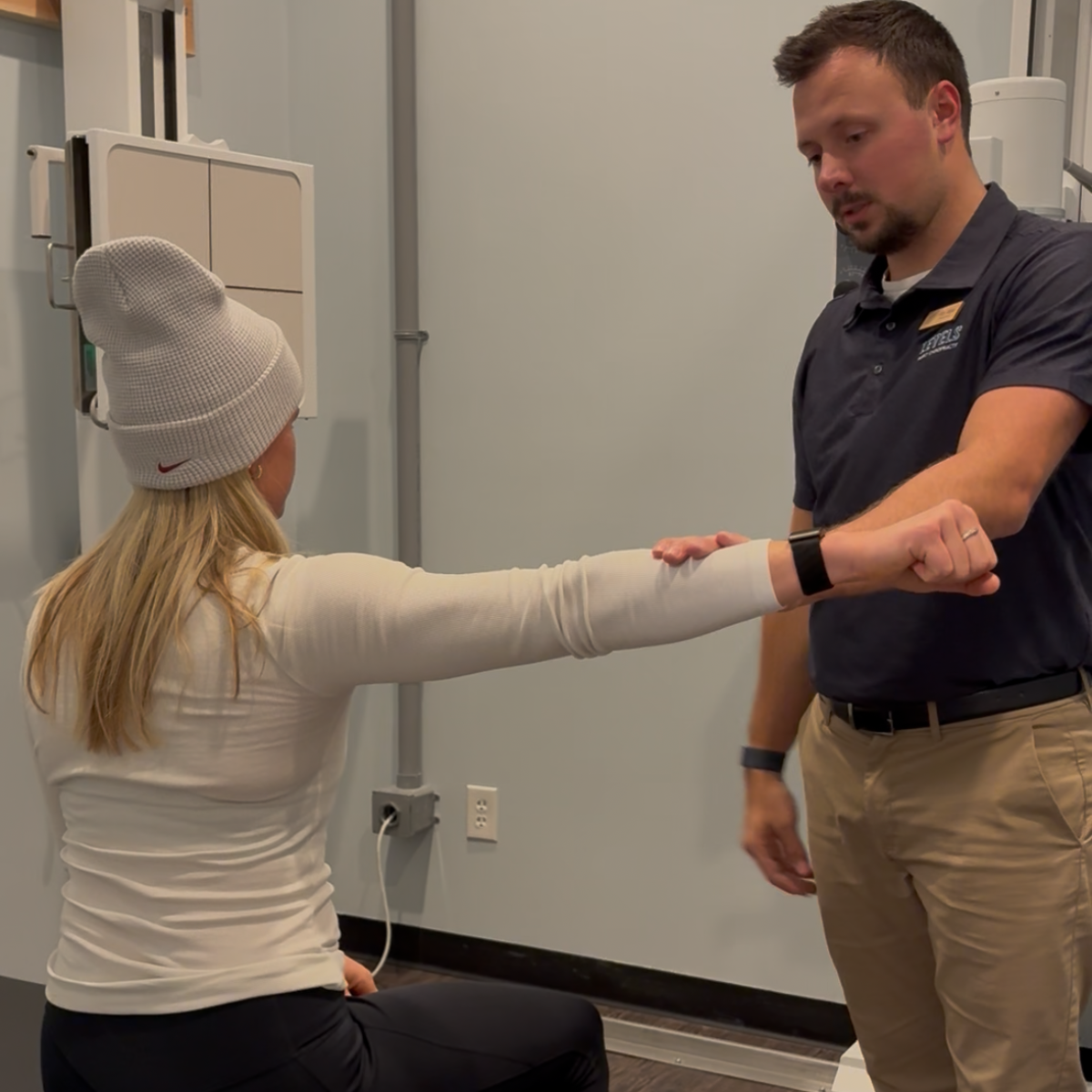
Most people tell me that is normal because their child is growing and in the growing pains stage. I think that is one of the most common misconceptions. Growing pains do not account for a ten-year-old's neck pain and poor posture. Young athletes that live around the Urbandale Community School District tend to be year-round athletes.
That means that there is not really time for their body to reset and let their bodies recover. They may live in what I call a low-grade stress state with their nervous system and their posture reflects that. This is one of the many benefits of pediatric chiropractic care for young athletes that we find very useful.
We do not have to fix the problem; we look at the pattern of movement to find the areas the body is compensating to fix and fix the problem before it becomes a bigger problem. Fixing a spinal restriction with a child is much easier than that restriction in an adult of twenty-five, which has been compensated by the child's body for sixteen years. If I can fix a problem early, that is great, but I must see it first, and that is what I do.
Frequently Asked Questions
Is chiropractic care actually safe for babies and young kids?
Yes, pediatric chiropractic care is safe when done by a trained chiropractor who works with children. The pressure used on a baby or young child is extremely gentle finger tip pressure, about the same pressure you'd use to test a ripe piece of fruit. I have seen kids as young as two days, even younger if you wanted to count a babies who were born prematurely. Before anything happens, I walk parents through every step. You'll know exactly what I'm doing and why. Most kids leave more relaxed than when they arrived.
How many visits will my child need before we see results?
Most parents notice something different after the first two or three visits. It depends on how long the issue has been built and your child's age. The younger a child, the faster then tend to bounce out of an issue on average. A middle schooler with months of complaining of pain may longer. After the first visit, I give you a clear picture of what I believe to be a realistic timeline based on my years of experience working with kids.
My child isn't in pain — do they still need a chiropractic check?
Pain is usually the last sign something is off, not the first. Kids who sit for hours, carry heavy backpacks, or play contact sports can develop spinal misalignments long before they feel discomfort. A quick postural check can catch things early like one shoulder sitting higher than the other; before they become a bigger problem. Think of it like a dental check. You don’t wait for toothache to see the dentist.
What should I bring to my child's first chiropractic visit in Urbandale?
Come prepared to sit down and chat for a bit before anything exciting happens for your child. The more you can share upfront, the better picture we get before the assessment even begins. If your child needs a stuffy or something to bring with them in a new space and help them feel welcome we would recommend it. Some kids are perfectly fine running to the kids room to play or color.
Can a chiropractor help my child with headaches or sleep problems?
Yes, these are two of the most common reasons Urbandale parents bring their kids in. Frequent headaches with no clear cause and months of poor sleep often connect back to tension in the spine and nervous system. We don't promise to fix everything, but by supporting the nervous system, we help the body do what it's built to do. Many parents tell us sleep improved within the first week or two after starting care.
What if my child won't sit still or is scared during the visit?
That happens all the time, and it's completely fine. I've worked with plenty of kids who wanted nothing to do with a stranger poking a proding on their back. I have learned many distraction tricks over the years to help make sure they're comfortable. There's no rush. The goal is for your child to feel safe, not pressured. Sometimes we don’t actually adjust the first time they come into the office. The goal is to have them leave with the idea that coming in is fun, especially if they are nervous.