
Chiropractor Side Effects: What to Expect Before and After Treatment
Mild soreness, fatigue, stiffness, or headaches after a chiropractic adjustment are common, temporary side effects that typically resolve within 24 to 48 hours as your body adapts to improved joint movement. This article explains what to expect before and after treatment, why these normal reactions occur, how to manage post-adjustment soreness, and which symptoms may indicate you should contact your chiropractor for further evaluation.
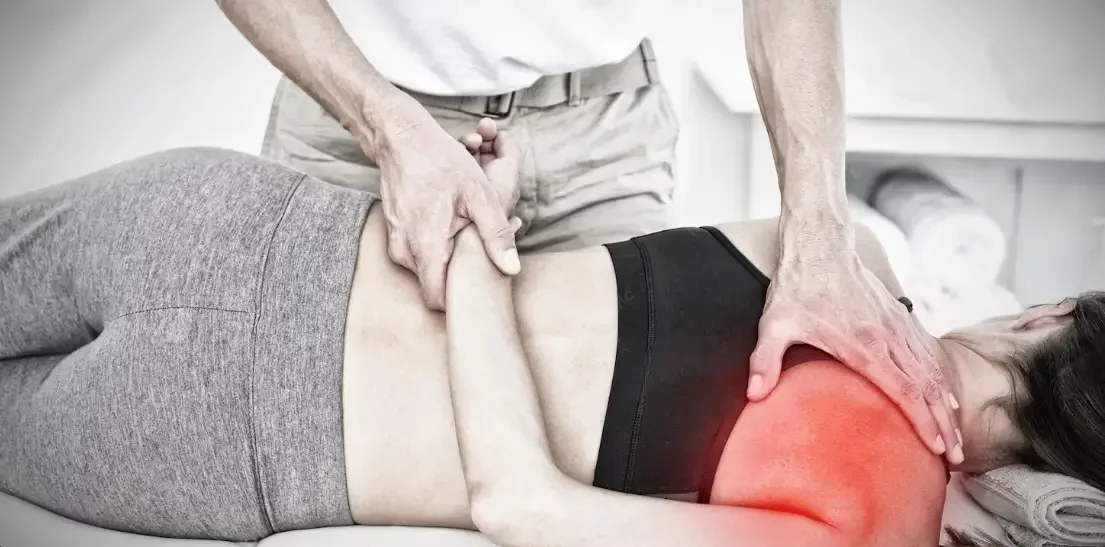
Most people call us with one question buried under all the others: is this going to hurt? Fair question. Here's the honest answer. Chiropractic adjustments come with a few normal reactions. They're not something to dread. They're just part of the process — like sore muscles after the first gym session in months. We walk every new patient through this before we ever touch a spine. You should know what's coming, not just hope for the best.
Before Your First Adjustment
We start with a real conversation, not a form you fill out and forget. You'll tell us where it hurts, how long it's been going on, what makes it worse. We look at your posture, your movement, sometimes your daily routine — a lot of the back and neck pain we see around Urbandale traces back to hours behind the wheel. With 6,500+ residents commuting regularly out of this town, that slouched driving posture adds up fast.
We explain each step before we do it. That matters more for some patients than others. Parents bringing in a nervous kid want to know exactly what's about to happen — so do pregnant patients coming in for the first time. We're Webster Certified, so prenatal adjustments follow a specific, gentle technique built for that stage of pregnancy. We'll tell you what it involves before we start, not after. No surprises on the table. That's the whole idea.
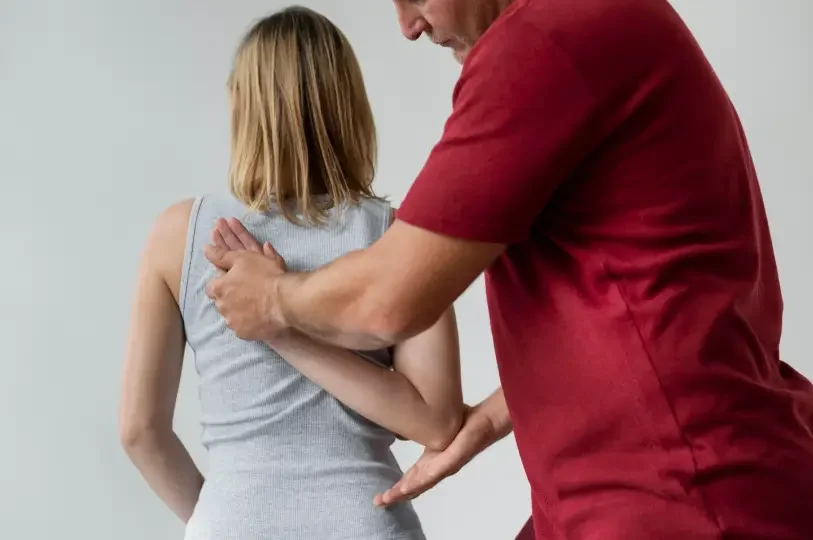
What You Might Feel After an Adjustment
Some patients walk out feeling lighter right away. Others feel a little sore, a little tired, maybe a bit off for a day. Both are normal. The soreness is usually mild — think of it like the ache after stretching a muscle that hasn't moved that way in a while.
It tends to fade within 24 to 48 hours. Some people notice a bit of fatigue the evening after treatment, or mild headaches, and that usually passes on its own. You might also feel looser than expected. Better sleep that night isn't uncommon either.
And here's the thing most people don't expect — emotional release. Chiropractic care works on the nervous system, and every so often a patient tears up on the table for no reason they can name. We've seen it more times than we can count. It's not weird. It's just the body letting go of tension it's been holding onto.
Why These Reactions Happen
Your body has been compensating for whatever's out of alignment — sometimes for years. When we correct that, muscles, joints, and nerves have to adjust to a new normal.
That process isn't instant. Think about Iowa winters for a second. Cold weather tightens muscles, stiffens joints, and sends more people through our doors between November and March than any other stretch of the year. When we adjust a body that's been bracing against the cold for months, there's naturally some readjustment period.
That's not a bad sign. That's the body recalibrating. Older homes play a part too, by the way — Urbandale's median home was built in 1992, and plenty of houses here go back before 1970. Old furniture, old mattresses, decades of poor ergonomic habits baked into daily routine. Undoing years of that doesn't happen in one visit.
How We Help You Through
It We don't just adjust and send you out the door. We build a plan around what your body's actually telling us — not a generic packet handed to everyone who walks in. For patients dealing with tighter inflammation or deeper chronic pain, we sometimes bring in Near-Infrared Light Therapy alongside the adjustment.
It works into the tissue without needles, and it tends to ease some of that post-adjustment soreness faster than rest alone. We don't reach for it on every case — only when it fits what we're seeing. Hydration helps too. So does light movement — a short walk, some stretching, nothing intense. Most side effects fade faster when you keep your body moving instead of parking it on the couch.
When to Reach
Out Mild soreness, a little fatigue, some looser joints — normal. Sharp new pain, numbness, or anything that feels wrong instead of just different — call us. That distinction matters. Trust it. We'd rather hear from you and tell you it's nothing than have you sit at home wondering. That's what the relationship is for.
Why These Reactions Happen in the First Place
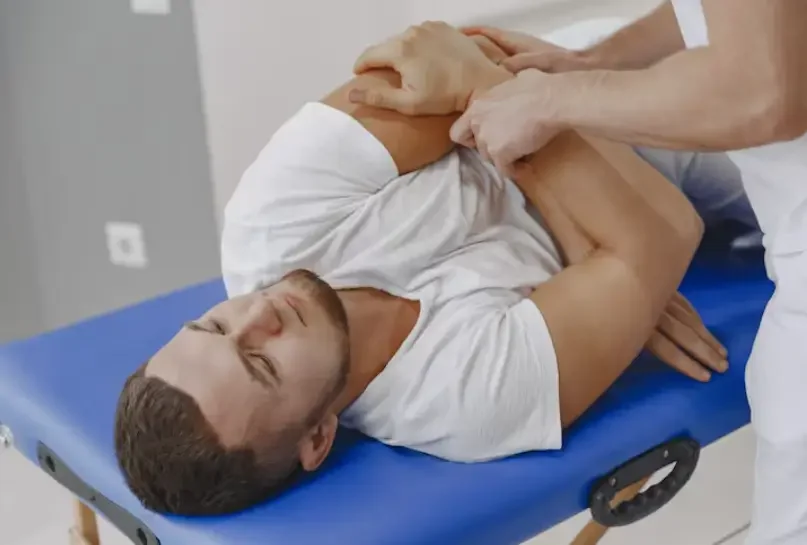
Your body isn’t broken when it reacts to a chiropractic adjustment. It’s doing exactly what it should. Think of it this way: sit in the same desk position for eight hours, then stand up to stretch, you’ll feel stiff, maybe sore. That soreness doesn't mean stretching was bad. It means your body is waking up, getting signals it hasn't had in a while.
The same thing happens after we move a joint that’s been stuck. Or one that’s been out of alignment. Your muscles, ligaments, and nerves have been holding tension in a specific pattern, sometimes for weeks or even years. When that pattern gets interrupted, your body has to adjust to its new position.
Your Muscles Were Compensating
Here’s a secret most people miss. When a joint isn’t moving right, the muscles around it tighten up. They do this to protect the area. They’ve been working overtime, holding everything in place (like a cast).
Once an adjustment restores motion to that joint, those muscles can finally relax, allowing them to release long-held tension. And relaxing after being tense for a long time can feel like soreness. Like a workout you haven't done in months.
We see this all the time with our Urbandale neighbors. Folks who sit through long commutes on Highway 35, or spend hours hunched over a computer. Their upper back and neck muscles have been locked up for so long. The release feels unfamiliar.
That 'I guess I'm getting old' mindset really gets to us. We all need to work to take better care of ourselves, not just accept aches.
Inflammation Is Part of Healing

A mild inflammatory response is normal. Your body sends blood and nutrients to the adjusted area. That increase in blood flow can cause warmth, maybe slight swelling or tenderness right there, which is all part of the natural healing process.
The Journal of Manipulative and Physiological Therapeutics reports mild post-adjustment soreness in roughly 50 percent of patients. It usually goes away within 24 to 48 hours. This isn’t damage. It’s your body starting to repair itself.
I tell my patients to imagine a garden hose. One that's been kinked for a while. Water wasn’t flowing through that section.
When you unkink it, there’s a rush of water, and your body’s nervous system works similarly. Signals that were blocked suddenly start firing again. Your body notices. It responds.
Toxins and Metabolic Waste Get Released
Joints that haven’t moved well can collect metabolic waste in the surrounding tissue. Once movement gets going again, that waste flushes into your bloodstream so your body can properly process it and get rid of it. Your body then processes it. Some people feel tired afterward. Or a little achy. Others get a light headache, or feel a bit foggy. It passes quickly. And it's a good sign.
Drinking water after your visit helps a lot. And light walking. But here's the main point. None of these reactions mean something went wrong. Not at all.
Your body spent a long time adapting to dysfunction. Now it’s adapting to function. That switch takes a little time.
We’ve worked with kids who bounce right off the table. They feel great immediately. We've also treated adults who carried neck tension for a decade. They might feel tired the rest of the afternoon after their first visit. Both responses are normal. The difference usually comes down to how long the problem had been there before we addressed it.
So, if you’re wondering if that achy feeling after your first adjustment is a red flag, it’s almost certainly not. Your body is reorganizing. That's a great sign.
How Long Recovery Typically Takes
Most folks come in expecting to feel perfect right away. That’s not quite how things work here. Your body needs time to respond to each adjustment. The timeline looks different for everyone. Here’s what we typically observe in our Urbandale office. The first 24 to 48 hours after an adjustment are when your body does its biggest work. Muscles tense for months start to relax. Joints that haven't moved properly begin to shift. This process can feel a little weird at first, it's your body recalibrating.
Every patient is unique. But most people tend to follow a pattern that looks something like this:
Hours 1 through 6: You might feel loose. Or relaxed. Some get a burst of energy, others feel tired.
Hours 6 through 24: Mild soreness can show up. Again, think of it like after a good workout.
Days 1 through 3: Soreness goes away. You might notice small wins. How you move, or how you sleep.
Weeks 1 through 4: With regular visits, most patients report real changes. Less stiffness in the morning. Fewer headaches. Better range of motion.
Months 1 through 3: This is where big shifts happen. Your body starts holding adjustments longer.
We tell patients all the time: the first visit is just the start. Real results come from sticking with it. From being consistent.
A General Recovery Timeline

And here’s something that surprises many. Kids often recover quicker than adults. Their bodies haven't carried years of built-up tension. A child with poor posture from too much screen time? They might respond in just a few visits. An adult who's hunched over a desk for 15 years, though, needs more time to retrain those muscles. Patience is key.
One common situation: a busy parent from the Urbandale area comes in. They have neck pain that’s been building for months. They feel great after the first adjustment. Then they notice some tightness the next morning. That’s normal. By the third or fourth visit, they're sleeping better and waking up without that stiff feeling, really getting back to themselves.
So, what slows things down? A few things matter more than you’d think:
How long the problem existed before you came to see us.
Your daily habits. Posture, water intake, how much you move.
Stress levels. How well you sleep.
Whether you follow your recommended visit schedule.
Stress is a big one. We work to counteract the stress of daily life. Because there’s no running away from it. But when stress is high, your muscles tighten back up faster. This can make recovery feel slower than you expected.
That 'I guess I'm getting old' idea. Feeling achy and stiff isn’t just something you have to accept. Recovery takes time, sure. But it does happen. When you give your body the right support, it thrives.
If you're wondering if your timeline is on track, or you just want to understand what the process looks like before you start-from prenatal care to pediatric adjustments- we’re here to help. Our chiropractic care page walks you through exactly what to expect from your first visit forward.
Frequently Asked Questions
How long do chiropractor side effects usually last?
Most side effects last only a few hours, up to 24 to 48 hours at most. Soreness, tiredness, or a mild headache are common signs your body is adjusting. Research from the Journal of Manipulative and Physiological Therapeutics shows mild soreness in about one-third to half of patients after treatment. It clears up on its own most of the time. If you still feel sore after two days, call your chiropractor. That extra check helps make sure your body is healing the way it should.
What should I expect before my first chiropractic adjustment?
Before your first visit, expect a conversation about your daily habits and any pain you're feeling. Your chiropractor will check how your joints and muscles move. Wearing comfortable clothes helps you move easily during your exam. Drinking water before and after your appointment supports your body as it adjusts. Knowing that mild soreness afterward is normal can ease any worry going in. Most first-time patients feel more relaxed once they understand what a typical reaction looks like.
What's the difference between normal soreness and a warning sign after an adjustment?
Normal soreness feels like a mild ache near the adjusted area, similar to a workout you haven't done in a while. Warning signs include sharp, shooting pain or numbness spreading down your arms or legs. These are rare but should never be ignored. If soreness feels worse instead of better, or lasts longer than 48 hours, call your chiropractor right away. Most of the time, though, what you feel is simply progress.
Is it normal to feel worse before you feel better after an adjustment?
Yes, this is a common misconception people worry about. Some patients feel great right away, while others feel a bit achy first, then notice improvement a day or two later. Both responses are normal. Your muscles and joints are adjusting to a new position after holding tension for a long time. This isn't a sign that something went wrong. It just means your body is doing its job. Learning more about chiropractic care in Urbandale can help you understand what your specific body may experience.
Does driving on Highway 35 or sitting at a desk all day make soreness worse in Urbandale?
Yes, long commutes and desk jobs can make muscles tighter, so the release after an adjustment may feel more noticeable. Many Urbandale neighbors who sit through long commutes or hunch over a computer carry tension in their neck and upper back. When those muscles finally relax during treatment, the change can feel unfamiliar at first. This isn't a bad sign. It just means your body had more tension built up to release.
Can drinking water or moving around help reduce soreness after an adjustment?
Yes, drinking more water and gentle movement can help your body process the changes from an adjustment. Water supports the natural healing process happening in your muscles and joints. Light movement, like a short walk, keeps blood flowing to the adjusted area. These simple steps often ease mild soreness faster. Before you worry about any post-treatment feelings, give your body a day to settle and stay hydrated.