
Can a Chiropractor Help With Jaw Pain
Jaw pain is often linked to problems in the neck and upper cervical spine rather than the jaw itself. This article explains how chiropractic care evaluates spinal alignment, posture, muscle tension, and TMJ function to identify the underlying cause of jaw pain. It also explores how gentle chiropractic treatment, often combined with dental care when appropriate, may help relieve jaw pain, clicking, locking, and related symptoms by addressing the source instead of only the symptoms.
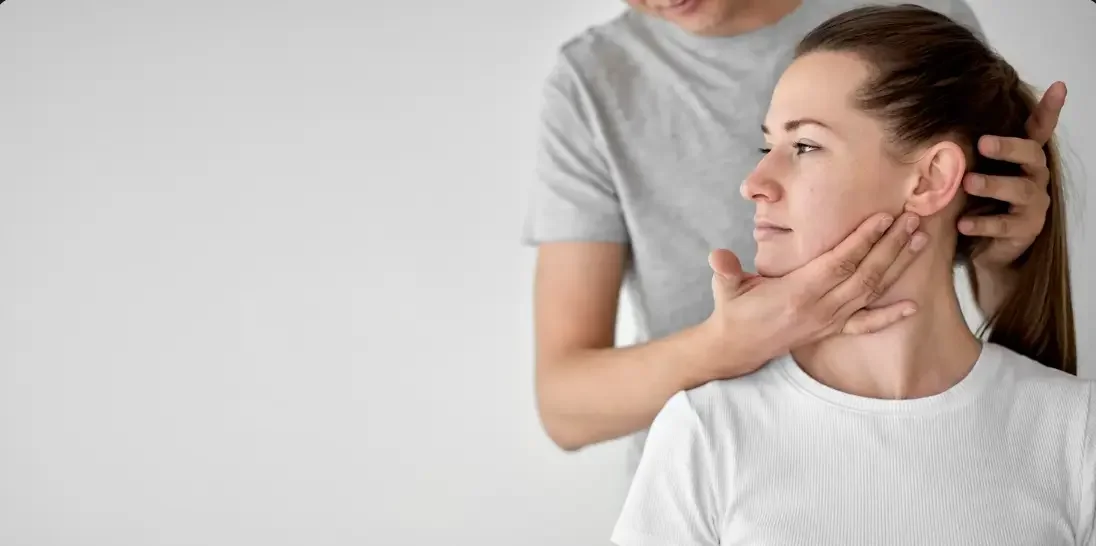
Jaw Pain Often Starts in Your Neck, Not Your Jaw
Many people are quick to jump to conclusions that jaw pain is due to a problem with the jaw. The jaw is the first thing they'll look at. However, in reality, it's very common for the jaw to hurt because something is out of place further up the spine.
The temporomandibular joint (TMJ), or jaw joint, doesn't operate independently and shares nerves and muscular attachments with the upper neck. A subtle misalignment or loss of motion in the first two vertebrae of your neck (upper cervical spine) can affect the muscles that move the jaw. This can lead to jaw pain, clicking, locking, and a constant dull ache.
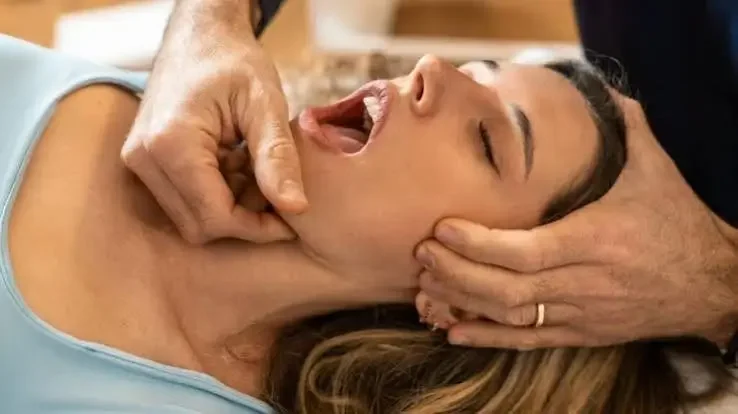
A locked-up muscle like this will cause the jaw to suffer. Nothing will fix it like night splints or jaw stretches because the issue is in the neck.
Stress will often make it worse, which is no surprise. When stressed, people are more likely to clench their teeth, tighten their shoulder muscles, and increase tension in the neck and jaw. For parents with busy kids, people working long hours at work, or anyone who carries low-grade stress throughout their daily lives, this is a familiar cycle. The jaw ends up bearing all that stress.
The Muscle Nobody Is Talking About
Consider a muscle chain. Your jaw muscles attach to the head. Your head rests on top of your neck. So, when your neck is stressed or misaligned, tension will travel upward and end up in your jaw. We'll have people come into our office in Urbandale, thinking the jaw is the source of the problem. However, after taking a look, they find that the real cause of jaw pain is in the upper cervical spine.
When this is a pattern, we generally see the following muscles as contributors:
The masseter, a muscle on the side of the jaw that becomes tight during stress
The sternocleidomastoid, a long neck muscle that attaches around the base of the skull
The suboccipital muscles are small muscles that help connect the head to the neck and help with jaw tension
What a Chiropractor Looks At
Dr. Von isn't just focusing on where the pain occurs. This can come as a surprise to many people. At your initial appointment, he will look closely at your posture, your neck alignment, where your head sits on your shoulders, and how it moves with the cervical spine. All of this provides insight into what is really going on with your jaw.
One example of poor posture includes forward head posture. This occurs when the head is positioned forward of the shoulders due to screen viewing. This places excessive strain on the muscles of the upper neck.
The National Library of Medicine reports that for every inch the head extends forward, you increase the weight on your neck by 10 pounds. That excess pressure doesn't just go away; it radiates into the muscles that surround the jaw, and the neck is part of that same region.

This is why, if a patient comes to us complaining of a jaw that clicks while chewing or wakes up every morning with a headache and a stiff jaw, we assume the neck is contributing. Often it is.
But the good news is that the neck-jaw relationship also means that when the neck is treated, the jaw often starts to improve too, which is always a pleasant surprise to patients. They come in with a jaw problem, and don't realize that their neck might be the answer, but when you understand just how connected everything is, it makes sense. If you suffer from jaw pain that doesn't respond to conservative treatments, you may want to ask yourself if you've had your spine checked out. That is basically what the work we do on the neck is all about.
Can a chiropractor help with TMJ Jaw Pain? This is a question many patients don't ask until they've exhausted their other options. They have gone to their dentist. They have used a night guard. They have taken anti-inflammatory medication. But the jaw still clicks, still hurts, and still locks up each morning.
Now they ask a chiropractor: Can a chiropractor help with jaw pain? In 2026, the answer was yes, more than it was five years ago. The temporomandibular joint (TMJ) is where the jawbone joins the skull. It is used all the time for eating, talking, yawning, and swallowing. When it doesn't move smoothly or efficiently, you may have more than just jaw pain: headaches, neck tension, ear fullness, and sometimes even upper back or shoulder tightness.
What most people don't realize is that the jaw does not operate on its own. The muscles and joints of the neck and upper spine have a direct impact on the movement of your jaw. If your cervical spine is misaligned, it can create tension in your jaw muscles. This increased muscular tension pulls the TMJ out of its natural track, and the jaw begins to compensate in a dysfunctional way, creating pain and the accompanying clicking and grinding.
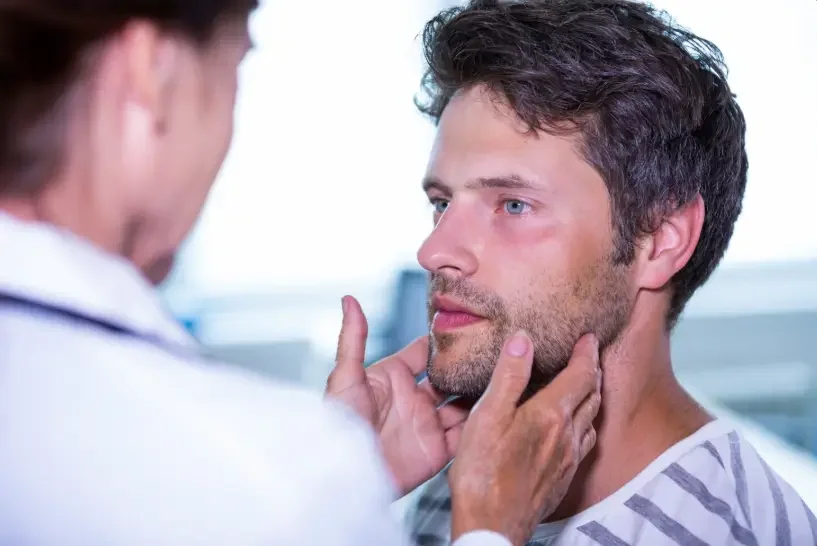
That is not a one-size-fits-all solution for every kind of jaw issue, but it is the case for many patients experiencing jaw pain, and chiropractic care can address all those things. The Journal of Oral Rehabilitation published an article indicating that neck-spine dysfunction is a common culprit in temporomandibular disorder, making the correlation between the neck and the jaw a fact rather than a hunch. As a result, more people in Urbandale are specifically mentioning their jaw issues during chiropractic consultations, rather than merely asking chiropractors to manage neck pain, headaches, or migraines; they want to know about the jaw.
Does chiropractic treat TMJ problems instead of your dentist? No, but the best results tend to be from both together. The dentist deals with the bite, the teeth, and other apparatus, while the chiropractor deals with the joints, muscles, and body alignment. They aren't addressing the same issues, per se, but when both get attention, patients experience greater relief quicker.
But there is one thing that is often overlooked: if you have treated the jaw alone while ignoring the neck and spine, you may be treating only half the equation. The jaw may be the end of the line, so to speak, for problems that originate from a structure further up the body. If you just treat the jaw, it's like fixing the leaky tap while neglecting the broken pipe behind the wall.
Jaw pain paired with a stiff neck, headache, or tight shoulders in your trapezius muscles is a clear indicator that the source of your pain is not your jaw. And these are just the kind of people chiropractors help the most. That is because the results speak for themselves, and the patient can finally understand where the pain is coming from.
Chiropractic care can intervene at each link in this chain. I constantly see patients who initially came in for neck pain treatment, who only then realize their jaw has been aching for months or years, but never realized it was related.
But the neck and the jaw are neighbors, and when one is suffering, the other often is too. So, here is what chiropractic care can help with that contributes to jaw pain:
Misalignment in the upper cervical spine, which pulls on muscles around the jaw
Tight muscles in the neck, shoulders, and the base of the skull
Postural imbalances alter the way force is transmitted through the head and jaw
Pinched nerves in the neck that refer pain to the jaw
What Does a Chiropractor Do for Jaw Pain?

First things first: don't panic if the patient has no idea what to expect when seeing a chiropractor for his jaw problem. This is quite typical. Also, many people in Urbandale imagine that their chiropractor is going to crack their jaw, and so decide against calling at the last minute. However, that is not what happens, and never in a million years.
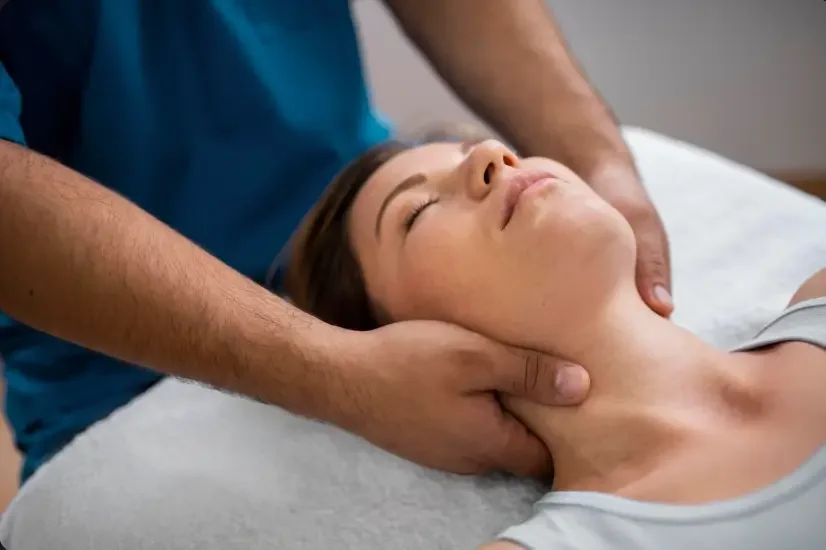
Soft tissue treatment may begin. The soft tissue or muscles in the neck, temples, and jaw are almost always tight and sore. It's important to start with relieving that tension. Patients are typically surprised by how sore that area actually is until we put our hands on them.
Mild adjustments are performed. Based on what is discovered, your chiropractor may perform adjustments on the upper cervical spine and the atlas, as well as any particular joints that are restricted. The movements used are controlled and gentle. Nothing flashy. Nothing frightening.
Recommendations will be provided. It takes more than one visit to completely resolve any issue. The findings are explained to the patient, and a reasonable care plan is recommended. This could be neck pain treatment, postural evaluation and correction, or other treatments depending on the cause of the jaw pain.
This entire initial visit generally lasts about 45 minutes to an hour. Future visits are much briefer once your chiropractor has identified the areas of concern. Here's what I consistently tell patients: jaw pain is almost always the result of another condition. The jaw may be the part that feels sore, but the actual source is most often neck tension, poor posture from extended computer use, or perhaps even anxiety you've been suppressing for a while. Treating the jaw without evaluating the whole condition is like putting a patch on a leak without knowing the origin of the water.
Consider someone who works in Urbandale at a computer all day, with their head thrust forward and shoulders hunched. This position exerts excessive stress on the upper spine. With time, the muscles will pull everything connected to them, including the jaw. They arrive at the office in the mindset that their TMJ is malfunctioning. However, the root cause actually originated back at their desk.
And this is the reason the evaluation is essential. An experienced chiropractor isn't merely targeting the pain. They are identifying what is generating it. What about the soreness that follows? There's some expected tenderness after that initial visit for a day or two. That's normal. You're adjusting to changes that your body hasn't experienced in quite some time. Many patients walk away feeling looser and lighter in their shoulders even before their jaw pain is fully resolved.
If you've been delaying a visit because you weren't sure what to expect, you now know what to expect. The examination is thorough and gentle, and starts with your chiropractor listening. This part is very important.
Here is the process:
The chiropractor will talk with you first to see why you are there, specifically when the pain came, when clicking or locking occurs, if pain increases in the morning, whether teeth-grinding is happening at night, et cetera. Those all make a difference. There is no pain that just pops up out of nowhere. It must be triggered from somewhere.
Your chiropractor will likely assess your neck and thoracic spine in order to see what is going on. You will be surprised that the jaw and neck work together. It has been shown that the neck muscles and joints influence both how the jaw works and how tight it gets. Your chiropractor will examine your cervical spine and assess how well your head is situated above your shoulders.
They evaluate your jaw joint. The temporomandibular joint, or TMJ, is carefully evaluated for the range of motion and for any signs of tenderness or poor alignment. Your chiropractor will watch as you move your jaw into different positions. Does your jaw shift from side to side? Is there any clicking? Your chiropractor will watch closely at how these movement patterns play out.
Frequently Asked Questions
Frequently Asked Questions
Can a chiropractor help with jaw pain, or should I just see my dentist?
A chiropractor can help with jaw pain, especially when the cause is in your neck or upper spine. Your dentist is the right call for tooth problems, bite issues, or dental appliances. But if your jaw clicks, aches, or locks up and your dentist hasn't found a clear cause, your neck may be the missing piece. Chiropractors look at how your cervical spine and posture affect jaw muscle tension. Many Urbandale patients find relief after treating the neck, not just the jaw.
Is jaw pain from stress something a chiropractor can address?
Yes, stress-related jaw pain is something chiropractic care can help with. When you're stressed, you tend to clench your teeth, tighten your shoulders, and lock up your neck muscles. That tension builds up and lands in your jaw. The masseter and suboccipital muscles are common trouble spots. Chiropractors work to release muscle tension and correct the spinal alignment that makes it worse. If you live a busy life in Urbandale — long work hours, kids, daily stress — this cycle is very common and very treatable.
Does living or working in Urbandale make jaw pain more likely?
Urbandale has a lot of desk workers, commuters, and busy families — all groups tend to carry tension in their necks and shoulders. Long hours at a computer, long drives, and daily stress all contribute to forward head posture and upper cervical tightness. That tightness is one of the most common drivers of jaw pain we see. It's not unique to Urbandale, but the lifestyle patterns here make it very common. If you spend most of your day sitting or staring at a screen, your neck and jaw are likely to feel it.
What does a chiropractor actually do during a jaw pain visit?
At your first visit, a chiropractor checks your posture, neck alignment, and how your head sits on your spine — not just where it hurts. They look for forward head posture, restricted neck movement, and tight muscles like the masseter or sternocleidomastoid. If your upper cervical spine is misaligned, that tension can travel straight into your jaw. Treatment usually focuses on gentle adjustments to the neck and soft tissue work on the surrounding muscles. Many patients are surprised by how much better their jaw feels after neck treatment.
How is chiropractic TMJ care different from using a night guard?
A night guard protects your teeth from grinding, but doesn't fix what's causing the grinding. Chiropractic care looks at the root cause — often a misalignment in the upper cervical spine that creates muscle tension around the jaw. Many patients use both, and that's fine. But if your jaw still clicks or aches even with a night guard, the problem may be coming from your neck. Treating the spine addresses the source, not just the symptom. You can learn more about this connection on our chiropractic care for jaw and neck pain page.
What's a common mistake people make when dealing with jaw pain?
e most common mistake is treating only the jaw and ignoring the neck. People try jaw stretches, night guards, and anti-inflammatory medication — and still wake up with a stiff, aching jaw. That's because the real problem is often higher up, in the upper cervical spine. The neck and jaw share nerves and muscle attachments. If the spine isn't addressed, nothing downstream gets better for long. If you've been treating your jaw for months without results, it may be time to have your neck and posture evaluated by a chiropractor.