
Can a Chiropractor Help with Multiple Herniated Discs (C5/C6, T5)?
Chiropractic care may help manage multiple herniated discs at C5/C6 and T5 by reducing pressure on affected nerves, improving spinal mobility, and addressing the way different regions of the spine compensate for one another. This article explains the unique challenges of multi-level disc herniations, how cervical and thoracic treatments differ, what to expect during a comprehensive evaluation, and why a full-spine approach is essential for relieving pain and restoring function.

Why Multiple Herniated Discs Are Different from a Single Disc Injury
A single herniated disc can be challenging enough. But when two or three discs act up at once, your body handles far more stress. We see this often in Urbandale, especially with those long commutes on Highway 35. Many folks also deal with older home furniture and poor desk setups, it really contributes to long-term postural issues. The daily wear builds up slowly.
Multiple herniated discs are a tougher battle. You see, a single disc usually targets just one area. Maybe a tingling left arm, or your lower back locks up. Your body often moves the work to healthy parts of the spine. But with C5/C6 in your neck and T5 in your mid-back both damaged, your spine has no escape. It really doesn't.

Different Spinal Regions Mean Different Symptoms
C5/C6 sits in your cervical spine. That's your neck. A herniated disc there can cause some serious problems:
Numbness or tingling running down your arm into your thumb and index finger
Weakness when you try to grip or lift things
Sharp neck pain that gets worse when you look up or turn your head
Headaches that start at the base of your skull
T5 is in your thoracic spine, right between your shoulder blades. A herniation here feels really different. You might get a deep ache in your mid-back. Pain that wraps around your ribs. Or a burning sensation that kicks up when you take a deep breath. We've had patients say it feels like a tight band squeezing their chest, especially after a long winter day or a bad ergonomic setup from their older Urbandale home.
So you're not just dealing with one set of symptoms. You have two separate issues. They're happening at the same time in two different parts of your body. And they interact. Neck tension from C5/C6 pulls on your upper back. The T5 irritation locks up muscles that connect to your neck. It's a nasty loop.
Can a chiropractor help with multiple herniated discs at C5/C6 and T5? That's the exact question we get asked a lot here in Urbandale. Many people assume they're "just getting old," but that's not always true. The short answer is yes. But the approach has to handle both regions, working together. A plan built for just one disc just won't work when two parts of your spine need attention. If you feel pain in your neck and mid-back at the same time, your spine needs a full evaluation, not just spot treatment. We look at the whole picture.
The Compensation Problem
Your spine is one single, connected unit. When a disc herniates at C5/C6, the vertebrae around it start doing more. That's simple compensation. Now, add a herniated disc at T5 in your thoracic spine. Your mid-back can't help your neck. It's got its own issues.
The muscles between your shoulder blades get tight. Your neck stiffens. Your posture starts to round forward, by the way, which we see a lot with desk jobs. I've watched people walk in, convinced it's just "bad posture" when the real problem is two separate disc injuries making each other worse.
Most people don't grasp this until it's too late. It’s a common misconception.
Compensation patterns from multiple herniated discs create a cascade. One area gets overloaded. Then the next breaks down. According to the Journal of Manipulative and Physiological Therapeutics, patients with multi-level disc herniations report higher pain scores and more limited range of motion than those with single-level injuries. That's a big deal
How Chiropractic Care Approaches Cervical Levels Like C5/C6
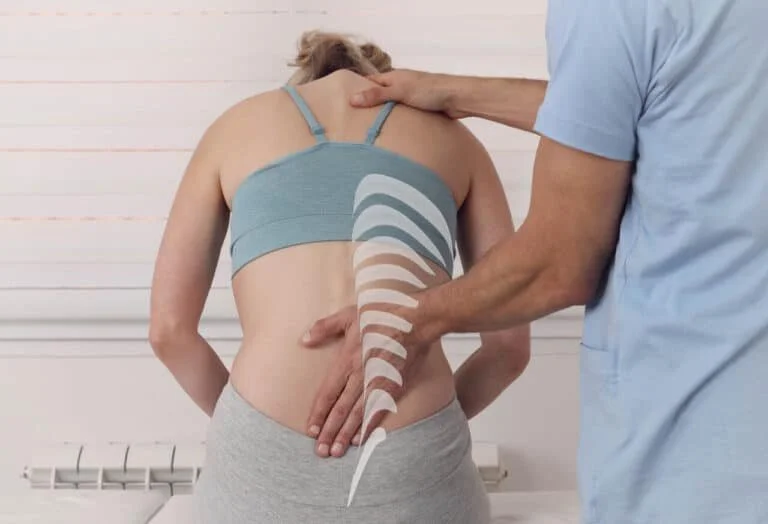
Your C5/C6 area is right in the middle of your neck. It's one of your spine's most mobile parts.
And that mobility is exactly why it gets disc problems. (You can learn more on our back and neck pain treatment page.) Our back and neck pain treatment page
When a disc herniates at C5/C6, it can press on nerves. Those nerves run down into your shoulders, arms, and hands.
People describe tingling, numbness, or a deep ache that just stays there. Some Urbandale folks visit us thinking it's a shoulder injury. Only later do they find out the real issue starts in their neck.
What Happens During a Cervical Assessment

Before any adjustment happens, we need to know exactly what's going on. We do a real. Our thorough exam checks range of motion, nerve function, and muscle response. We look at how you turn your head, how far you can tilt it, and where your pain goes. We talk through everything with every new patient. Nothing should feel like a surprise to you. We want you to feel empowered.
Here's what a typical cervical evaluation involves:
A detailed history of your symptoms, including when they started and what makes them worse.
Orthopedic tests that isolate the C5/C6 nerve roots specifically.
Range of motion testing to see where restriction exists.
A review of any imaging you've already had done, like MRIs or X-rays.
A conversation about your daily habits, sleep position, and work setup.
That last point matters more than most people realize. Sitting at a desk near Hickman Road for eight hours a day, head tilted forward, gives your C5/C6 a real beating. It happens. Our assessment helps us connect your daily life to what's happening in your spine.
Gentle Techniques for a Sensitive Area

Nobody wants someone wrenching their neck. Not with a herniated disc. It's a totally fair concern, and I hear it almost every week. The truth is, cervical adjustments for disc issues aren't like what you see in movies, they're far more specific and gentle than that.
We use low-force methods here. Think slow, controlled pressure, applied in a very specific direction. The goal? Take stress off the disc and off the nerve it's irritating. Some techniques involve light instrument-assisted adjustments. Others use sustained contact with gentle movement. Your body dictates the approach. And how it responds.
I've worked with plenty of patients, even parents bringing in nervous kids, who didn't want anyone touching their neck. We always go at their pace. If you need three visits before you're comfortable with a hands-on adjustment, that's absolutely fine. Trust matters more than rushing results. We mean that.
One thing we see often? C5/C6 herniations rarely exist alone. The segments above and below often compensate. So we check C4, C7, and even your upper thoracic spine. We need the full picture. If you're also dealing with a disc issue at T5, that connection between your cervical and thoracic spine becomes even more important to handle as a team. This is where our whole-family approach really shines, we consider everything.
A study published in the Journal of Manipulative and Physiological Therapeutics found that patients with cervical disc herniations showed meaningful improvement with chiropractic management over time. That lines up with what we see here in practice every day.
If you're dealing with neck pain, arm tingling, or suspect a cervical disc issue, visiting our back and neck pain treatment page is a great next step. You don't have to keep guessing about what's causing your symptoms, you know? Let's figure it out.
How Treatment for a Thoracic Disc Like T5 Differs from Neck Care
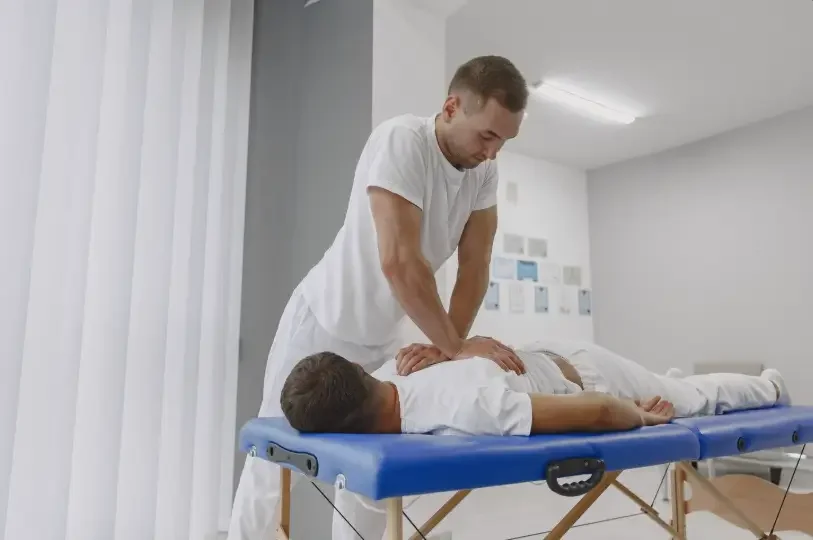
Most people think herniated discs are a neck or low back thing. But your thoracic spine sits in the middle of your back. And it has its own rules. T5 is right behind your chest, connected to your ribcage. That connection changes everything about how a chiropractor handles it.
Your cervical spine at C5/C6 is built for movement. It bends, rotates, and tilts all day long. The thoracic spine? Not so much. Your ribs attach to each thoracic vertebra, creating a cage that really limits motion.
A herniated disc at T5 often shows up as a deep ache between your shoulder blades. Maybe tightness when you breathe. Or pain that wraps around your ribs. Especially after a harsh Iowa winter, we see Urbandale patients come in. They think they have a rib problem. Or something worse like a heart issue. But it's a thoracic disc pressing on nearby nerves.
Why the Techniques Are Different

With a cervical herniated disc at C5/C6, adjustments focus on neck motion. The main goal is to take pressure off the nerve roots that run down into your arms and hands. Gentle, precise movements work great here. The neck vertebrae are small. They respond quickly.
Thoracic adjustments require a different approach for a few reasons:
The vertebrae are larger and more stable, so the adjustment needs to account for rib attachments
Muscle tension in the mid-back tends to be deeper and more layered than in the neck
Nerve irritation at T5 can affect organ function and breathing patterns, not just pain levels
Posture correction plays a bigger role because slouching directly compresses thoracic discs
I can't tell you how many times someone walks in, hunched forward. They've been sitting at a desk all day near Hickman Road. And that posture is making their T5 disc problem getting worse every hour. It's truly a constant fight against stress for so many of us.
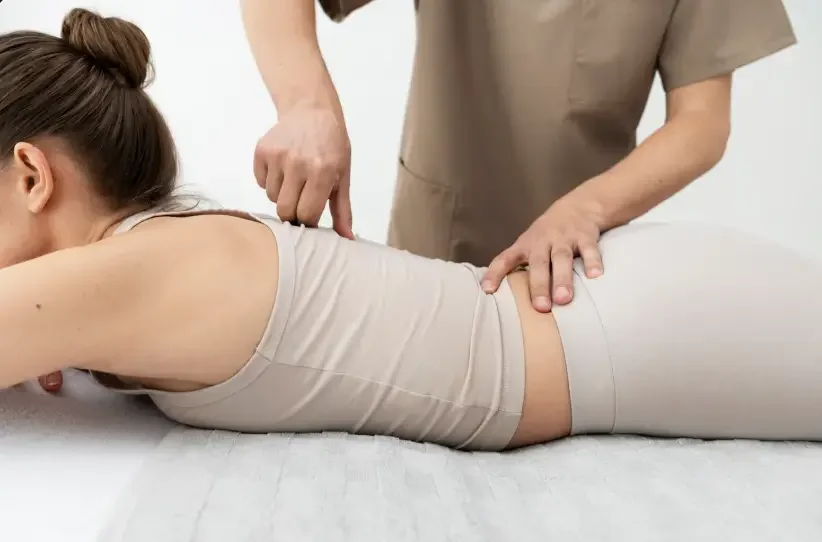
What a Thoracic Session Looks Like
When we're working on a T5 herniated disc, we often start with the surrounding muscles and connective tissue. The muscles between your ribs and along your spine get tight. And protective. They're trying to guard the area. So before any adjustment, we need those muscles to calm down.
The adjustment itself might involve you lying face down. We use a drop table or manual technique to mobilize the stuck segment. It's not the same fast crack you might picture for a neck adjustment. But it's broader. More deliberate. And it often produces surprise relief. Maybe your breathing suddenly feels easier. Or chest tension loosens up.
Compare that to C5/C6 work. There, the focus stays on the neck and upper extremity nerve pathways. Both need care, but they need different care.
Here's what surprises most people. When you have herniated discs in both regions, the thoracic problem can make the cervical problem worse. Poor mid-back mobility forces your neck to compensate. Your C5/C6 area takes on extra stress. Stress it was never meant to handle. So treating the T5 disc isn't just about your mid-back. It's about protecting your neck too.
That's why a thorough exam matters so much before we start any treatment. If you're dealing with pain in multiple areas of your spine, visit our back pain treatment page. Learn how we evaluate the full picture before making any adjustments. We want to get it right for you.
Frequently Asked Questions
How do I know if my neck pain and mid-back pain are actually connected?
Your neck pain and mid-back pain are likely connected if they started around the same time or get worse together. This happens because your spine works as one unit. A disc problem at C5/C6 in your neck can pull on muscles that link to your T5 area in your mid-back. If you notice both spots flaring up during long drives on Highway 35 or after a full day at your desk, it's worth getting a full spine check instead of treating each area separately.
Can multiple herniated discs heal without surgery?
Yes, many people with multiple herniated discs improve without surgery. Chiropractic care, gentle stretching, and better daily habits often reduce pressure on the affected discs over time. Healing depends on how severe the herniation is and how early you start care. If you want to learn how a full-spine approach handles both cervical and thoracic issues, our back and neck pain treatment page walks through the process in more detail.
Is it normal for pain to shift from your neck to your mid-back over time?
Yes, this shift is common when you have herniated discs at more than one level. Tightness from your C5/C6 disc can pull on the muscles connecting to your T5 area, creating a cycle where one region makes the other worse. Many Urbandale patients notice their pain move around before they realize both spots need attention. A full evaluation helps catch this pattern early instead of chasing symptoms one at a time.
What's the difference between a bulging disc and a herniated disc?
A bulging disc still has its outer layer intact, while a herniated disc has a tear that lets the inner material push out. Both can press on nerves, but herniated discs often cause sharper pain and more numbness. If you're feeling tingling down your arm or a deep ache between your shoulder blades, you may have herniation at more than one level. A proper exam tells you which type you have and where it's happening.
Why do so many people in Urbandale end up with neck and mid-back disc problems?
Long commutes on Highway 35 and hours spent at desks near Hickman Road put steady strain on your neck and upper back. Older homes in the area also tend to have furniture that doesn't support good posture. Over months and years, this daily wear adds up. Your neck rounds forward, your mid-back tightens, and eventually a disc gives out. Small posture changes now can prevent bigger problems later.