
Can a Chiropractor Treat a Rotator Cuff Injury?

What a Rotator Cuff Injury Actually Is (And Why It Matters)
The first thing that usually comes to mind when people say "rotator cuff" is a sports injury. You might picture someone who throws or throws a ball in baseball, or maybe a swimmer. But the thing is, we treat this all the time in people who never lifted a dumbbell or played sports: someone who slept funny on their shoulder, or someone who reached up to grab something and now has a dull ache that won't go away.
What is a rotator cuff injury, then?

Your rotator cuff is four different muscles that have tendons, and these tendons cover your shoulder joint. They do two things: keep the top of your arm bone, the ball of it, in the socket of your shoulder blade, and move and rotate your shoulder for pretty much everything you do throughout the day. Everything that you reach or lift, push or pull, your rotator cuff is involved in almost all of it.
Who Are These Four Muscles?
Specifically, the muscles of your rotator cuff are called the supraspinatus, the infraspinatus, the teres minor, and the subscapularis, and they have slightly different functions. The supraspinatus is the muscle that is most often affected. This muscle is on top of your shoulder and works a lot during an overhead movement. According to the American Academy of Orthopaedic Surgeons, there are about 2 million people in the United States who have some kind of rotator cuff tear every single year.

The types of rotator cuff injuries are:
Tendinitis, an inflammation of the tendons, typically caused by repetitive overhead use or overuse
Bursitis, inflammation of the small fluid-filled sac that is a cushion for the shoulder joint
Partial tears, when the tendon becomes damaged but not fully detached
Full-thickness tears, when the tendon fully detaches from the bone
So, now your body's compensating, and that upper back is taking a load it wasn't supposed to carry. That is a pattern we see all the time, which is part of why a shoulder injury will often have downstream consequences. I've had people come in with neck pain, and we found that there's a link between it and a rotator cuff problem that's been there for a long time.
That is the point I want to emphasize because the body does work together, and a problem at the shoulder may well have effects at other parts of the body as well. It is why early detection is important. It may not only affect the shoulder, but it may be affecting downstream consequences elsewhere too. If you are wondering whether chiropractic care may be helpful for your shoulder pain, you are at the point of learning as much as you can about what's going on in your shoulder first.
These are more common than full-thickness tears, tendinitis and bursitis. They also respond well to conservative care and chiropractic is a form of conservative care
Why Shoulders Are So Hard to Ignore (Until They Aren't)
Something special about rotator cuff injuries is that they don't always present right away. Often there is a small soreness when you reach behind your back, or some stiffness when you wake up, or an ache after exercising, and people here in Urbandale have all told me that they expected it to pass and just go away. A lot of times, it does, but often times that mild irritation grows into the kind of thing that can keep you from sleeping or working, or that limits your ability to perform daily tasks. When one shoulder becomes problematic, the whole upper body often starts adapting. When that shoulder gets irritated, then your neck tighten

That knowledge is the starting point that will help you to know what to ask and make the best decisions about how to proceed. The nature of the injury and the severity can change the way that treatment takes place, and knowing that is a piece of information.
Chiropractic Care for Rotator Cuff Injuries
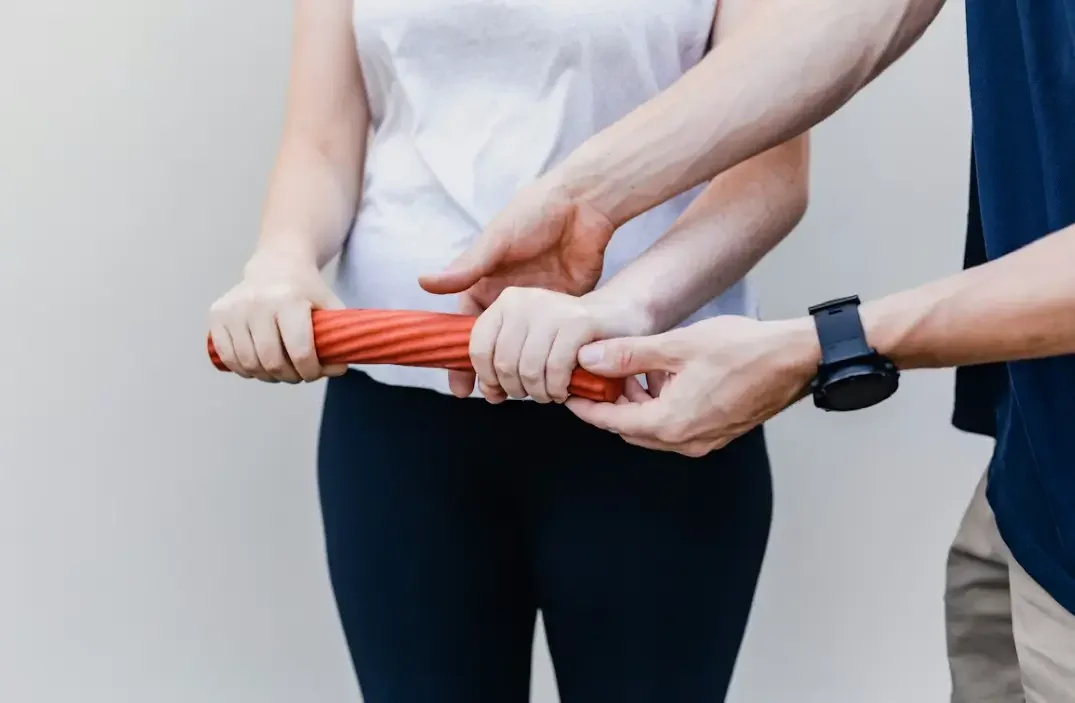
The truth is, one of the biggest myths that I encounter every single week is that chiropractic care isn't effective outside of lower back pain. In fact, the shoulder is a joint, and a number of other tissues, ligaments, muscles, and tendons, respond to a range of manual treatments that also helps a patient with back pain. In other words, is there evidence to back up this use case? In fact, there is, with research being published in the Journal of Manipulative and Physiological Therapeutics and that shows that patients with shoulder pain, especially those suffering from rotator cuff-related problems, have seen better outcomes with improved range of motion and pain when they undergo treatment with chiropractic.
The truth is, one of the biggest myths I encounter every single week is that chiropractic care isn't effective for anything other than lower back pain. In fact, the shoulder is a joint, and a number of other tissues, ligaments, muscles, and tendons, respond to a range of manual treatments that also helps a patient with back pain. In other words, is there evidence to back up this use case? In fact, there is, with research being published in the Journal of Manipulative and Physiological Therapeutics and that shows that patients with shoulder pain, especially those suffering from rotator cuff-related problems, have seen better outcomes with improved range of motion and pain when they undergo treatment with chiropractic.
Chiropractic care can play a few different roles in rotator cuff rehabilitation. Not every approach works for every patient, but research and clinical observations support several methods. These include:
Cervical and thoracic spinal adjustment, to help reduce the nervous system influence on the shoulder
Shoulder mobilization, to get your shoulder moving better and reduce stiffness
Soft tissue treatment, which focuses on the muscles around the shoulder that tend to tighten in response to injury
Posture assessment and correction, to reduce strain on the injured shoulder

It's not theoretical; we've seen these methods used for decades because they work with how our musculoskeletal system functions. For many people, a shoulder injury can get better without the need to escalate quickly to medical intervention like injections, or surgery. Now, while a rotator cuff injury is a problem a chiropractor can treat, it's not the end-all.
There's only so far you can get with just chiropractic care when you're dealing with a large, full rupture. For smaller, partial rotator cuff tears, rotator cuff tendinitis, impingement syndrome, or the nagging shoulder pain that's been there for months, chiropractic is an excellent place to start.
We also have guidelines that support starting with conservative care. For instance, the American College of Physicians recommends non-drug therapies first. And chiropractic care fits that bill. We work with active people in Urbandale every day. You might be playing with your children, working out at the gym, participating in a club sport, etc.
These movements can add up over time and lead to rotator cuff injuries, which are much more likely to happen if you've never dealt with them before. If you can identify them and treat them early, it will save you from having to deal with more serious consequences down the line.
That's what we've found. That's the outcome that we're seeing. And often patients will tell us afterwards that they weren't aware the rest of their body was involved in their pain, too.
What to Expect During Your First Chiropractic Exam for Shoulder Pain

It's natural for patients to be curious and to not know what to expect in the exam room. I think patients can find it more reassuring knowing what's going to happen at your first visit, so let me explain the exam process to help take the stress off you. Your first appointment won't be "lie on the table and get cranked." The chiropractor will do an exam, and that exam starts with a discussion.
A chiropractor will want to know how your shoulder hurt is impacting you. When did it start? Is it worse when you lift your arm over your head, or when you reach behind your back? Did something cause it, or did it just happen out of the blue? These details will help us identify which shoulder issue you have, and what treatment is best for you.
This is where a lot of patients come in, and you tell us, "my shoulder hurts," and that's the end of the conversation. Be as specific as possible. Consider what movements provoke it before your appointment.
The Physical Exam

Once you've completed your intake, you'll proceed to your physical examination. Your chiropractor will assess your range of motion, specifically how high and wide you can reach, how far you can lift, rotate, and extend your arm.
They'll also observe your posture, since many shoulder issues stem from the neck and upper back's position. In Urbandale, we frequently encounter individuals who sit at desks for extended periods, leading to the characteristic forward-head posture that adds significant stress to the shoulder mechanics.
Your chiropractor will conduct precise orthopedic tests to evaluate the rotator cuff tendons and muscles. Tests such as the empty can or drop arm test help identify the precise portion of the cuff involved.
As the American Chiropractic Association notes, shoulder dysfunction ranks among the most common musculoskeletal complaints chiropractors treat, and a examination distinguishes a genuine treatment plan from speculation.
Here's a detail often overlooked: your chiropractor will also assess whether chiropractic treatment is truly appropriate for your injury. They'll recommend imaging if necessary.
If your condition warrants a referral to another specialist, a trustworthy chiropractor will openly state that as well. Such transparency is an integral part of the care process.
What to Expect from the Treatment Plan

Following your examination, you'll gain a thorough understanding of your condition and your road forward. Typically, treatment for rotator cuff injuries includes the following:
Resolving joint limitations in the neck, mid-back, and shoulder blade that restrict mobility
Relaxing surrounding muscles to alleviate stress and restore function
Prescribing targeted movements or stretches to promote recovery between appointments
Monitoring progress across multiple sessions and adapting the plan as needed based on your progress
Your first appointment won't resolve every problem. But it will establish a solid foundation and a clear course of action. I always explain each procedure prior to performing it. This isn't merely about comfort; it's for developing a real understanding of what's occurring in your body. Patients who are well-educated heal in ways distinct from those who aren't.
What should you bring? Dress in clothing that's comfortable and allows easy access to your shoulders. If you've already received imaging results, like X-rays or an MRI, those are helpful to bring along too. Finally, be prepared to describe your pain in detail. The more information you provide your chiropractor, the more productive that initial visit will be.
If you're experiencing shoulder pain and want to know if sports injury recovery and performance-focused chiropractic care is appropriate for your needs, our main services page has all the details you need to move forward.
Frequently Asked Questions
Can a chiropractor actually help with a rotator cuff injury, or is it just for back pain?
Yes, a chiropractor can help with many types of rotator cuff injuries. The shoulder is a joint surrounded by muscles, tendons, and ligaments all of which respond to manual treatment. Research published in the Journal of Manipulative and Physiological Therapeutics shows patients with rotator cuff-related shoulder pain saw improved range of motion and reduced pain with chiropractic care. Tendinitis, bursitis, and partial tears often respond well to this kind of conservative care. Full-thickness tears may need a different approach.
How do I know if my shoulder pain is a rotator cuff problem or something else?
Rotator cuff injuries often show up as a dull ache when you reach overhead, stiffness in the morning, or pain after activity. You might also feel weakness when lifting your arm. But shoulder pain can also come from a pinched nerve in the neck, which can send pain down into the shoulder and arm. That is why a proper exam matters. If you want to understand your options before your first visit, our chiropractic care for shoulder pain page walks through what to expect from the evaluation process.
Is it a mistake to wait and see if shoulder pain goes away on its own?
Waiting a few days is reasonable, but waiting weeks or months is where people run into trouble. A mild rotator cuff irritation can grow into something that disrupts your sleep and limits daily tasks. When one shoulder is off, your neck and upper back often start compensating, which creates new problems. Many patients in Urbandale tell me they thought it would pass, and by the time they came in, the injury had been affecting their neck and posture for months. Earlier is almost always better with shoulder injuries.
What is the difference between a rotator cuff tear and rotator cuff tendinitis?
A tear means the tendon is damaged or fully detached from the bone. Tendinitis means the tendon is inflamed but still intact. Tendinitis is actually more common than a full tear, and it often comes from repetitive overhead movements or overuse. Bursitis is another common type that is inflammation of the fluid-filled sac that cushions your shoulder joint. Both tendinitis and bursitis tend to respond well to conservative care, including chiropractic treatment, before surgery ever needs to be considered.
Do Urbandale residents have any specific risk factors for rotator cuff injuries?
Yes, and it comes up often in our office. Many people in Urbandale work desk jobs that involve long hours at a computer, which leads to rounded shoulders and tight neck muscles. That posture puts extra strain on the rotator cuff over time. We also see a lot of weekend athletes people who are fairly active but whose shoulders are not conditioned for sudden increases in activity. Yard work, overhead garage work, and recreational sports are common triggers we hear about from patients across Urbandale.
What should I expect at my first chiropractic visit for a shoulder injury in Urbandale?
Expect your chiropractor to ask detailed questions about when the pain started, what makes it better or worse, and whether you have neck or upper back symptoms too. They will likely test your range of motion and check for nerve involvement. You will not just be treated for the shoulder in isolation. A good evaluation looks at the whole chain shoulder, neck, and upper back because these areas work together. Bring any imaging you already have, like X-rays or MRI results, if you have them.