
Sciatica & Lower Back Pain Relief in Urbandale
Recognizing Sciatica Versus Typical Lower Back Pain
Many patients arrive at my clinic convinced they've merely "pulled a muscle" in their back. Occasionally, that is the correct assessment; more often, they are describing sciatica symptoms. What they really require is relief from lower back pain, not extended bed rest, over-the-counter anti-inflammatories, or the hope that it will resolve on its own.
TL;DR
Sciatica pain travels from the lower back down the leg and may include numbness or tingling.
Common causes include desk jobs, long commutes, poor posture, and herniated discs.
Chiropractic care helps reduce pressure on the sciatic nerve and improve spinal movement.
First visits include posture checks, nerve testing, and a personalized treatment plan.
Long-term relief comes from consistent care, stretching, movement, and better daily habits.

The question remains: what distinguishes sciatica from standard back pain?
Sciatica presents with a distinct set of symptoms beyond simple discomfort. The sciatic nerve originates in the lumbar spine, passes through the gluteal muscles, and extends down the leg to the foot. Consequently, when the nerve is inflamed or pinched, the pain follows this entire path rather than being confined to the back alone.
My Urbandale chiropractic office sees patients with the following sciatica symptoms nearly every day:
An acute, shooting pain originating in the lower back or buttocks that radiates down the leg
Paresthesia (numbness or "pins and needles") in the legs from the hips down
Increased leg and buttock pain after prolonged sitting
Leg weakness or fatigue
Sharp, intense pain after periods of inactivity
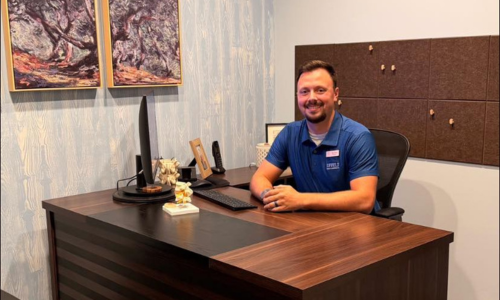
Meet Dr. Von Steck
This scenario is common here. A patient has sat for an extended period, either driving to work or at an office desk throughout the day. Upon standing, they experience the characteristic radiating sensation down the back of the leg. This is the sciatic nerve signaling a problem.
Generally, back pain does not spread; the discomfort is confined to the back. While back muscles may be stiff upon waking or ache after physical labor, the pain does not extend below the hips or cause sensory changes such as numbness in the feet.
Sciatica is a common ailment, roughly 40% of adults will experience it at some time, according to the American Chiropractic Association. However, many people spend considerable time treating it as a mere muscle strain, with minimal success. I recommend having your pain assessed by a chiropractor if it involves radiating discomfort in the legs, difficulty sitting through meetings or family dinners, or numbness. Do not simply "wait it out." We can often pinpoint the cause in a single visit and determine if chiropractic treatment is appropriate.

Causes of Sciatica and Lower Back Pain in Urbandale: Office Workers, Desk Jobs, and the Daily Commute
In practice here in Urbandale, a typical week involves several patients reporting that they endure a twenty-minute commute to work, spend eight hours seated at an office desk, drive home, and then experience worsening back pain over the course of a single day. This scenario is not a mystery; it is a matter of mechanical pressure on the back. I see several patients weekly who experience worsening lower back pain following a commute, a long workday at the desk, and a return drive. It is not an accident; this is poor biomechanics.
Sciatica affects the sciatic nerve, which is the longest nerve in the human body. It extends from the lumbar spine, through the hips, and down each leg. It might throb with a dull ache, burn like a fire, or tingle and go numb as the pain travels down into your foot. What causes your sciatica? Commonly, we see:
Long periods of sitting, which cause lumbar discs to compress and tighten up the piriformis.
Forward head posture from screen time that throws off spine alignment.
A weak core leading to a strained lower back.
Lack of lumbar support in your car seat.
Herniated discs that impinge the nerve root.
One underappreciated contributor is the daily commute. Sitting in your car puts you in an entirely different position than sitting in an office chair. With your seat reclined and your seat pan tilted, your lumbar spine rounds outward and constantly absorbs road vibrations. Double your commute, and you're putting that lumbar spine through hell. Then there are the "I'll stretch it later" folks who end up picking up their shoes one morning and finding their back locked up. When a Meredith patient walks into the office, it's not uncommon to hear, "I've been feeling this for six months." The stiff back getting out of the car. The tight back after a long conference. Those are your body’s warning you. Once you identify the root causes, effective treatment is often very achievable. For a deeper look at how physical therapy and conservative care address these underlying issues, choosept.com's Physical Therapy Guide to Low Back Pain (https://www.choosept.com/guide/physical-therapy-guide-low-back-pain) is a helpful consumer resource. Spinal manipulation helps restore lumbar spine alignment and relieve the pressure on the sciatic nerve. Of course, the first step is determining the underlying issues by reviewing daily habits.
What your first sciatica chiropractic visit looks like?
Many first-time patients feel a great deal of anxiety. They worry there’s something they have to do. There isn't. Most of my patients in Urbandale haven't seen a chiropractor for sciatica before, and roughly half almost talked themselves out of coming. Here's what a typical initial visit is like.
We start with an intake. Not the typical form you fill out in silence. I want to hear from you about your chief complaint. Where is your pain located? When it started. Whether the pain runs down one leg or both. Whether it's better when you stand and worse when you sit (or vice versa). All this information is important because sciatica can stem from several causes. So before I touch anything, I want to make sure I'm working on the right issue.
Then I perform an evaluation. We're going to assess your posture, range of motion, and conduct orthopedic testing to help me identify which nerve is compressed and where. You walk in expecting yet another "just a bad back" diagnosis, when what you really need is a proper assessment of that compressed sciatic nerve that no one's taken a close look at before.
Then we'll talk about what we found, in plain English. If anything comes up that you don't understand, we'll stop and explain it before we proceed, especially on that first visit. It's a priority for me.
If it's a good time and it makes sense to adjust you on your first visit, we will. We'll talk through what's where first, so you know exactly what I'm adjusting and that nothing is "out of the blue."
I'll find where your spine has lost its natural motion. Those restricted areas create pressure and tension in your surrounding tissue. That pressure is typically what's pinching and irritating your sciatic nerve. We focus on restoring that natural motion first and eliminating the pain second.
intake and interview
Postural and range of motion assessment
Orthopedic nerve tests
Explanation of the findings before we adjust you
Gentle adjustment on your first visit when indicated
The majority of my patients walk out of their initial appointment feeling like they're finally getting a "real answer". That never gets old for me.
What to Expect When Visiting Levels Family Chiropractic
No two patients come in with the same complaint or issue. It's one of the first things that I want you to understand.
Someone at my practice in Urbandale who sits at a desk and complains of burning in their lower leg is going to need sciatic nerve pain relief, just like that guy who works on his feet at the warehouse and has constant lower backaches. But they will not be treated the same. Because we treat patients. We look at you. We assess your spine, movement, and posture. And then we work from there.
To give you a better understanding of the first appointment, here are the most common parts:
We will have a conversation about your case: When it started, what makes it worse, and what you've tried so far.
Our postural assessment to see if your body is compensating and which part of the body is feeling the pressure.
We will work through the adjustment together. You'll be aware before I go anywhere, and nothing will come as a surprise to you.
Finally, a conversation will happen about what we've determined and what the future of treatment may look like.
And that last part is huge. I won't give you a pamphlet and send you home. I want you to walk out knowing exactly what's going on with your body and why we're treating things the way we do. A well-educated patient makes better choices. That's what we're trying to achieve here.
We also incorporate near-infrared light therapy to help those who need it. For many patients dealing with deep tissue inflammation around the sciatic nerve, this can be the thing that makes a significant impact between appointments.
It's not a trick. It's what we use when it makes sense. Most people are nervous the first time. I get that. I will go over every change and what it will feel like before it occurs with each patient. It definitely does not hurt to have a conversation beforehand for anyone who has not had an adjustment before or has not had positive results from another chiropractor's office. Our office serves many of the same folks in the Meredith Drive corridor or the neighborhoods north of 86th Street. People who are busy, people who have put off treatment for months. We want them to feel better, to feel like they can move, and to know how to stay feeling that way.
Preventing Sciatica From Coming Back After Relief
Getting out of pain is step one. Getting and STAYING out of pain is the main goal. We see this on a weekly basis in Urbandale: you come in unable to sit, we get you feeling better, and life gets busy again. They forgo follow-up care, return to bad habits, and come back in 3 months because their pain is back, and now it's worse than before. Sciatica does not just come back on its own. Sometimes it comes back because there is a reason, and most of the reasons are preventable. The most common reasons:
Sitting for long periods of time without standing or stretching.
Skipping out on maintenance adjustments once the pain stops.
Weak core and hip muscles that need to support the lower back.
Sleeping positions that put strain on your sciatic nerve overnight.
How do you make sure it doesn't come back? It's consistency, not intensity. Consistency is huge when it comes to your chiropractic care. Regular adjustments. Don't wait for your back to break. Come in on a schedule so you never have to deal with something like sciatica. This helps keep your spine aligned and reduces the likelihood of nerve compressions returning (according to the American Chiropractic Association). That is not a sales pitch; that's simply how your back and spine work. Movement is just as important. Simple stretches daily to target the piriformis muscle and hip flexors (5 minutes each). If you work a desk job and sit for 8 hours a day, it's near the 86th Street corridor, and you can't sit for 5 minutes to stretch. I will discuss this a lot as well, including posture. The way that you sit, stand, and sleep. These are not inconsequential. These are the daily inputs your spine deals with, and they either support you or wear you out. The patients who benefit most in the long term are those who stay curious, ask questions, and learn more about their bodies' signals. Well-informed patients not only feel better; they stay better. That is exactly what we are working toward with patients.
Frequently Asked Questions
How do I know if my back pain is sciatica or just a pulled muscle?
Sciatica sends pain down your leg, past your hip, and sometimes into your foot. A pulled muscle stays in your back. If you feel shooting pain, numbness, or tingling running down one leg, that is a strong sign the sciatic nerve is involved. Many Urbandale patients come in thinking they strained something, and we find nerve compression in the first visit. The radiating sensation is the key clue.
What happens during my first chiropractic visit for sciatica?
Your first visit starts with a real conversation, not just a form. You will describe where the pain is, when it started, and whether it radiates down one leg or both. Then comes a physical evaluation that assesses posture, range of motion, and orthopedic tests to determine which nerve is compressed and where. Nothing happens until we know exactly what we are working with. Most patients leave that first visit with a clear picture of what is causing their pain.
Should I just wait out my lower back pain and see if it goes away?
Waiting rarely works when sciatica is involved. About 40% of adults experience sciatica at some point, and many spend months treating it like a muscle strain with little success. If your pain radiates into your leg, makes sitting through meetings uncomfortable, or causes numbness in your feet, your body is signaling a nerve problem. The longer the pressure stays on the sciatic nerve, the harder it becomes to resolve quickly. Getting assessed sooner saves time and discomfort.
Can sitting at a desk all day in Urbandale actually cause sciatica?
Yes, long hours at a desk are one of the most common causes we see in Urbandale. Sitting compresses your lumbar discs and tightens the piriformis muscle around the sciatic nerve. Add a 20-minute commute each way, and your spine absorbs road vibration on top of that. Many patients describe six months of gradual worsening before they finally come in. Catching it early makes treatment faster and simpler.
How long does it take to get relief from sciatica with chiropractic care?
Most patients notice improvement within the first few visits, though the full timeline depends on how long the nerve has been irritated. If you have been dealing with symptoms for six months, recovery takes longer than if you came in at week two. Spinal manipulation helps restore alignment and reduce pressure on the sciatic nerve. Sticking to your care plan and addressing daily habits, such as desk posture and car seat support, speeds recovery considerably.
Do I need an MRI or X-ray before starting chiropractic treatment for sciatica?
Not always. A thorough physical evaluation, including posture assessment, range-of-motion testing, and orthopedic and nerve testing, provides enough information to begin care in most cases. Imaging is helpful when symptoms are severe, unusual, or not responding as expected. Many Urbandale patients are relieved to learn they can start treatment right away without waiting for scan results. We will be honest with you about whether imaging is needed before moving forward.
Levels Approach:
Stop Searching and Start Healing
If you are tired of dealing with constant lower back pain, shooting leg pain, or numbness from sciatica, it may be time to try a different approach. Your body has an incredible ability to heal when pressure on the sciatic nerve is properly addressed.
Contact Levels Family Chiropractic today to schedule your consultation. Let’s help you move better, sit comfortably, and get lasting sciatica relief right here in Urbandale.