
Can a Chiropractor Get Rid of Arthritis and Inflammation in Your Knees? A Guide for Urbandale Patients
Chiropractic care cannot eliminate knee arthritis or reverse cartilage damage, but it may help reduce knee pain, inflammation, stiffness, and joint stress by addressing movement and alignment throughout the hips, spine, pelvis, and lower body. This article explains how chiropractic treatment may support knee arthritis management, which symptoms may benefit from care, what to expect during an evaluation, and how exercise can support healthier knee function.
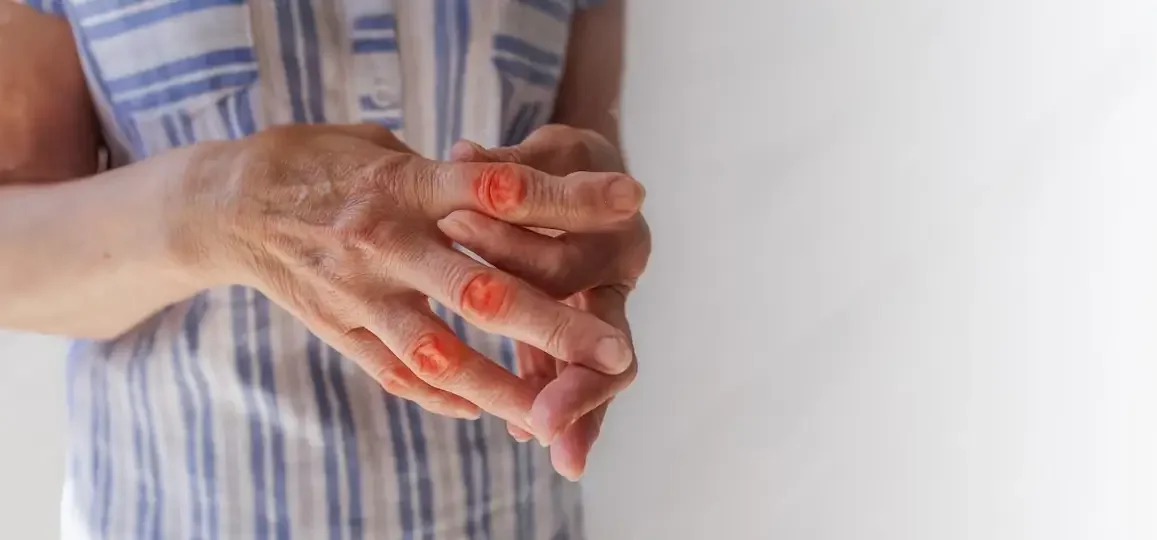
What "Getting Rid of Arthritis" Really Means for Your Knees
Can a chiropractor get rid of arthritis and inflammation in your knees? Not entirely. Arthritis is a wear-and-tear condition, and that kind of change doesn't fully reverse. But chiropractic care can reduce joint stress, improve alignment, and calm inflammation so your knees move and feel better day to day.
Let's clear something up first. Arthritis means the cartilage in your knee has worn down over time, and that process doesn't reverse no matter what treatment you try. So when people ask whether a chiropractor can fix knee arthritis and swelling, the honest answer is that no one can erase arthritis completely.
But here's what actually matters. Most knee pain from arthritis isn't caused by cartilage loss alone. It comes from how your whole body compensates for it. Your hips shift. Your lower back tightens up. Your ankles start absorbing weight differently.
That chain reaction piles even more stress onto a knee that's already struggling. This is where alignment work makes a real difference. When your hips, spine, and lower body move the way they're supposed to, your knee stops absorbing pressure it was never built to handle. Less pressure means less irritation, and less irritation means less swelling and stiffness.
How Chiropractic Care Reduces Knee Inflammation and Joint Stress
Your knees don't work alone. They take their cues from your hips, your spine, and even your feet. When one of those areas falls out of line, your knee ends up carrying weight it was never designed for. Over time, that extra stress turns into swelling and pain. This is where chiropractic care comes in, because it doesn't just chase the sore spot. It looks at the whole chain above and below the knee.
We run into this mistake constantly. A patient comes in pointing at their knee, certain that's where the trouble began. But the real issue is often a hip that's shifted or a pelvis that's tilted. Fix the alignment above the joint, and the knee gets a break: less grinding, less friction, less reason for your body to keep sending inflammation to the area.
Here's a scenario we run into often in Urbandale. A parent who spends the day chasing kids or standing on hard garage floors starts favoring one leg without even noticing. Weeks later, that knee is stiff and swollen every morning. An adjustment to the hip and lower back can take pressure off that leg quickly, and the swelling starts to settle because the joint isn't being overworked anymore.
So how does this play out step by step? It isn't a one-and-done fix. It's a process that builds over a handful of visits.
We check your spine, hips, and pelvis for areas that are out of alignment.
We look at how you walk and stand to see where your knees are absorbing extra load.
We adjust the joints above the knee that are throwing off your movement pattern.
Your body starts distributing weight more evenly across both legs.
With less mechanical stress, the knee has room to calm down and reduce swelling.
We track your progress and adjust the plan as your movement improves.
This isn't magic. It's mechanics. Your nervous system plays a role too, since it controls how your muscles fire around a joint. When the spine is aligned, nerve signals travel more efficiently, and the muscles around the knee tend to relax instead of staying tense and guarding the joint. Less guarding means less irritation in the joint itself. Does this mean chiropractic care erases arthritis? No, and we won't pretend otherwise. But it can take pressure off the joint, calm the triggers behind inflammation, and slow down how quickly things get worse. That's a real difference for anyone tired of stiff mornings and swollen knees by evening.

According to the Centers for Disease Control and Prevention, osteoarthritis affects more than 32 million adults in the U.S., and the knee is one of the joints hit hardest. That's a lot of people learning to manage this condition day by day, not expecting an overnight cure.
Reducing joint stress by correcting hip and spine alignment
Improving range of motion so the knee moves more naturally
Calming inflammation triggered by uneven movement patterns
Slowing further wear by addressing the root mechanical issue, not just masking pain
We see this pattern often with patients here in Urbandale. Someone comes in convinced their knee is the only problem, and then we find their opposite hip is rotated or their lower back has been locked up for months. Fix that pattern, and the knee finally gets a break it hasn't had in years.
Think of it less like erasing arthritis and more like taking your foot off the gas pedal that's been speeding it up.
Get Rid of Arthritis and Inflammation in Your Knees!
Call (515) 461-9738 now to schedule your appointment.
Is Chiropractic Care Right for Your Knee Pain? Three Common Scenarios
Not every knee ache is the same, so the right answer depends on your situation. Three patterns walk through our door more than any others. Figuring out which one sounds like you can help you decide your next move.
Morning stiffness that loosens up after you move around for a bit
Swelling and warmth after activity, like a walk around the neighborhood or a weekend project
Old injury pain that never fully went away, even months or years later
Scenario one is the stiff-in-the-morning knee. You wake up, your knee feels tight, and it takes ten or fifteen minutes to feel normal again. This is common with early arthritis changes, and it's often tied to how your hip and lower back are moving rather than the knee joint alone. We see this a lot with folks who sit at a desk all day in Urbandale, then try to be active on weekends.

Adjusting the hip and spine can take pressure off the knee and help it move more freely.
Scenario two is the flare-up knee. It looks fine most days, but after yard work or a long walk, it swells and feels hot. This points to active inflammation. A pain management physician approach paired with hands-on work can calm things down faster than rest alone.
Scenario three is the lingering old injury. Maybe you twisted it playing sports years ago, or fell on it, and it just never felt quite right since. Scar tissue and altered movement patterns can keep low-grade irritation going for a long time.
This one comes up often with Sports Injury Recovery cases we work through, where the original injury healed but the mechanics around it never fully reset.
One patient we worked with had knee stiffness for two years after a soccer injury. He assumed that was just how it would be forever. Turned out his hip wasn't rotating correctly, and that was loading his knee wrong with every single step.
So which one sounds like you? Chances are you're somewhere in this mix, and that's exactly the kind of case worth having looked at.
Frequently Asked Questions
How do I know if my knee pain is from arthritis or something else?
You can often tell by looking at the pattern of your pain. Arthritis pain usually feels stiff in the morning, loosens up with movement, and returns after long periods of activity or rest. A sudden injury, on the other hand, causes sharp pain right away. If your knee has bothered you for months and gets worse with weather changes or long walks around Urbandale, arthritis is a likely cause. A chiropractor can check your alignment to confirm what's driving the pain.
Can chiropractic care make knee arthritis worse?
No, chiropractic care does not make arthritis worse when done correctly. A common misconception is that adjusting joints near an arthritic knee could damage it further. In reality, gentle adjustments to the hip and spine relieve pressure on the knee instead of adding to it. The goal is always to reduce the mechanical stress causing your symptoms, not to manipulate the arthritic joint itself.
Does cold weather in Urbandale make knee arthritis worse?
Yes, many people notice more stiffness and swelling when temperatures drop. Cold weather can tighten muscles around the knee and reduce blood flow to the joint, which makes existing arthritis symptoms feel worse. This is especially common during Urbandale winters when people spend more time indoors and move less. Staying active and keeping your hips and spine aligned can help your knee handle these seasonal changes with less discomfort.
How long does it take to feel relief from knee inflammation with chiropractic care?
Most people notice some improvement within a few visits, though full results build over several weeks. Swelling and stiffness often ease first, since those symptoms respond quickly to reduced joint stress. Deeper changes in movement patterns take longer because your body has to relearn how to distribute weight evenly. Your chiropractor will track your progress and adjust your plan as your knee responds.
Can I still exercise if I have knee arthritis?
Yes, gentle exercise is usually one of the best things you can do for an arthritic knee. Movement keeps the joint lubricated and prevents the surrounding muscles from getting weak and tight. Walking, swimming, and stretching are generally safe choices. If certain movements cause pain, it may mean your hips or spine need attention first, which is something a chiropractor can evaluate before you build an exercise routine.
What should I expect during my first chiropractic visit for knee arthritis?
Your first visit focuses on finding the real source of your knee stress, not just treating the knee itself. We check your spine, hips, and pelvis for areas that are out of alignment. We also watch how you walk and stand to see where your knee is absorbing extra weight. This helps build a plan that targets the root cause. You can read more about what this looks like on our chiropractic care for knee arthritis page.