
How Long Does Soreness Last After a Chiropractic Adjustment?
Mild soreness after a chiropractic adjustment is a normal response as your muscles, joints, and nervous system adapt to improved spinal movement, and it usually resolves within 24 to 48 hours. This article explains why post-adjustment soreness occurs, how long recovery typically lasts, how to distinguish normal soreness from warning signs, and what simple steps can help you recover more comfortably after treatment.

Why Soreness Happens After a Chiropractic Adjustment
Ever hit the gym after a break? Your muscles ache the next day. A chiropractic adjustment works much the same way. Your body carries tension. It holds misalignment. Years of stress build up.
When we get things back in place, your body needs time to catch up. That's all post-adjustment soreness is. It's your body responding to change.
During an adjustment, we apply a quick, controlled force to specific joints. This gets things moving. Muscles around those joints have been compensating. They've been tight, guarding things for a long time. Once the joint moves freely, those muscles finally relax. They release built-up tension. That release can feel tender, even a little strange for your body.

What's Going On Inside Your Body
Lots happens after an adjustment. Your body isn't broken. It's just resetting. Here's why you might feel achy:
Muscles that were locked up start to loosen. They feel tender as they adapt.
Inflammation around the adjusted joint goes down. Clearing it out can cause temporary discomfort.
Your nervous system processes new input. Joints that barely moved are suddenly active.
Blood flow picks up in the area. This brings healing nutrients, but sometimes creates mild swelling.
We see this happen all the time with new patients here in Urbandale. Someone comes in with neck pain that's lasted months, or lower back stiffness. Their first adjustment works wonders.
But then, the next morning, they feel a little sore. They wonder if we messed something up. Nothing went wrong. Your body is doing exactly what it should.
It's Similar to Starting Any New Activity
I tell patients to think of it like a deep tissue massage. You feel better overall, right? But those really knotted-up spots might be tender for a day or two. Your body got used to being out of alignment. This kind of ache is just your muscles and ligaments settling into a new, proper position. It's a healthy response.
Most people don't realize where the tenderness comes from. It's not the adjustment itself. It's your body's response to it. Your body is waking up areas that have been dormant. Joints that hadn't moved much are suddenly moving freely. Muscles doing double duty can finally let go. It's a big shift for your system.
Take a busy parent. They sit at a desk all day. Then they drive home through Urbandale traffic, sometimes crawling on Hickman or I-35. They pick up the kids, make dinner, and finally sit down. That posture creates layers of tension. The first adjustment starts unwinding all of that. So, yes, some soreness is normal.
But here’s the key part: soreness means your body is changing. It's not a sign of harm. Mild soreness after an adjustment is common, totally expected. It usually goes away on its own. You won't need anything special to make it stop.
If you've been avoiding care because you're worried about feeling bad afterward, that's understandable., it's one of the biggest concerns I hear from first-time patients. I walk you through everything I'm going to do before I do it. No surprises. Knowing what to expect makes the whole process less stressful. We want you to feel confident in your care here.
How Long Soreness Normally Lasts
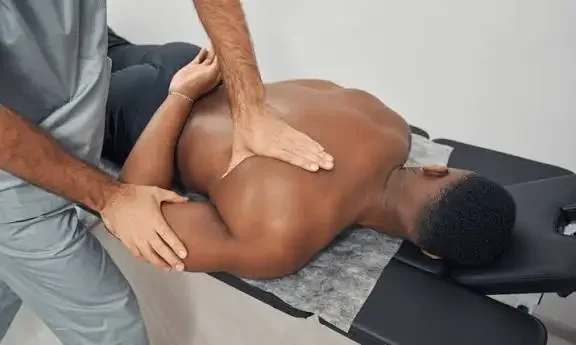
Most people feel sore for 24 to 48 hours after a chiropractic adjustment. That's usually it. For the vast majority of patients we see in Urbandale, the discomfort just fades. No extra treatment needed. Your body just needs a little bit of time to adjust to the changes from your visit.
Think about it. If you haven't worked out in months, then take a long walk around Walker Johnston Park, your legs will feel it. That doesn't mean the walk hurt you. It means your muscles are responding to something new. An adjustment is the same deal.
Here’s a general timeline to give you an idea:
First 6 hours: You might feel amazing right away. Others might notice a little stiffness or tenderness once they get home and settle in.
Hours 6 to 24: This is typically when soreness hits its peak. The spot we adjusted might feel achy or tight.
24 to 48 hours: Soreness usually starts to fade. Most patients tell us they feel much better by the second morning after their visit.
48 to 72 hours: Almost all post-adjustment soreness is gone. Many people report feeling better than they did before they came to see us.
Beyond 72 hours: If discomfort lasts past three days, it's a good idea to call your chiropractor. Persistent pain isn't typical.
We see this pattern constantly with first-time patients. Someone comes in for back pain or neck pain. They get that first adjustment. The next day they text us, worried because they're sore. But by day two, they find relief they haven't felt in weeks.
A few things can make soreness hang around a little longer.
You've never had a chiropractic adjustment before now.
Your muscles were super tight or locked up when you walked in.
You have a physically demanding job or were very active right after your visit.
Your stress levels are high, which keeps muscles tense.
And here’s a little secret most people don't know: the soreness from your very first adjustment is almost always the strongest. Each visit after that usually brings less discomfort. Your body just gets used to being in better alignment.
I had a patient who commutes through Urbandale on Highway 35 daily. His lower back was terribly stiff from all that driving. After his first adjustment, he was sore for about 36 hours. But by his third visit? He told me he barely noticed anything afterward. That's a common story around here.
So, if you’re sitting at home feeling achy after your first visit, take a deep breath. What you're feeling is normal. Your joints and muscles are just adjusting to their new spot. The discomfort is temporary; the benefits are not. They stick around.
But do pay attention to the kind of ache you're feeling. A dull soreness or mild stiffness? Totally fine. Sharp, shooting pain that gets worse? That's different, and you should call us right away. There's a big difference between "my back feels like I worked it out" and "something feels wrong."
The short answer is simple. Give it two days. Most tenderness resolves within that window, and what replaces it feels a whole lot better than what brought you in.
Is Your Soreness Normal? A Quick Self-Check
Most people walk out of our Urbandale office feeling great. But some wake up a little achy the next morning. They wonder if something went wrong. It didn't. Still, you should know the difference between a normal recovery and something needing attention.
Think about it this way. Normal soreness after a visit feels a lot like you just had a good workout. Your muscles did something new. They responded. Now they're recovering. That’s how it should feel.
Signs Your Soreness Is Totally Normal
Run through this quick checklist. If most of these describe what you’re feeling, you're on the right track:
The sore spot feels like a dull ache. Not a sharp, stabbing pain.
Soreness showed up within 24 hours of your adjustment. It's already starting to fade.
You can still do your normal daily routine without big problems.
The discomfort stays where we adjusted. It doesn't spread to new areas.
Light stretching or a warm shower makes it feel better.
We see this pattern repeatedly with first-time patients. Someone comes in for back or neck pain, gets their first adjustment, then texts us the next day. They ask if this mild achiness is okay. Almost always, it is.
Red Flags That Deserve a Phone Call
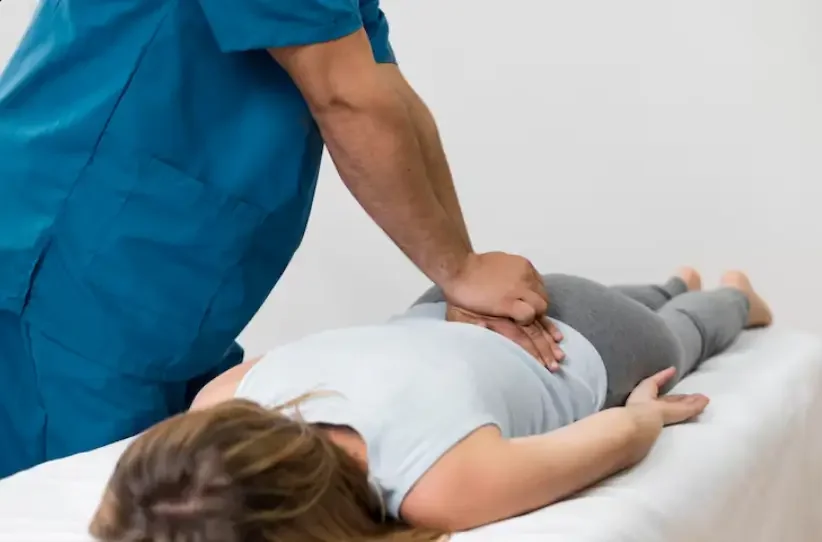
A few things fall outside the normal range. Pay attention if any of these pop up.
Sharp, shooting pain that starts after your visit isn't typical. Neither is numbness or tingling that wasn't there before. And if your discomfort gets worse after 72 hours instead of better, that's definitely worth a conversation.
I want to be clear here. These situations are rare. But knowing what to watch for gives you peace of mind. You shouldn't have to sit at home in Urbandale, guessing whether what you're feeling is fine. We're here for you.
One scenario I've seen: a patient with a long history of tension headaches. After their first adjustment, they feel some neck stiffness the next day. They panic a little. But then, by day two, the stiffness fades, and their headache pattern starts improving. Their body was simply adjusting to a new position.
Another thing people often miss is how emotional stress impacts recovery. If you came in during a really high-stress week, your muscles were already tense. The adjustment asked those muscles to relax. That shift can feel uncomfortable for a day or so; it's just the stress finally letting go.
So, what should you do if you're sore? Keep moving gently. Drink plenty of water. Use ice for 15 minutes if a specific spot feels inflamed. Avoid heavy lifting for the rest of the day. These small steps help your body process the change faster.
Here's the biggest takeaway: mild, short-lived, fading discomfort means your body is doing exactly what it should. It's responding to change. And that change? That's why you came to see us.
But if something feels off, or you just want some reassurance, reach out. We'd much rather answer a quick question than have you sitting there worried. That's part of the education-first approach we use with every family who walks through our door.
Frequently Asked Questions
How can I tell the difference between normal soreness and a real problem?
Normal soreness feels dull and achy, like sore muscles after exercise. It usually sits in the area we adjusted and fades within two days. A real problem feels sharp, shooting, or gets worse instead of better. Numbness or tingling is also a warning sign. If you notice these signs, call your chiropractor right away. Most patients only feel mild tenderness, so don't let worry keep you from getting the care your body needs.
Does Urbandale's weather affect how sore I feel after an adjustment?
Cold weather can make muscles tighter, which sometimes makes soreness feel more noticeable. During Urbandale winters, muscles around your spine may already be tense from cold temperatures and hunched shoulders. This can add to normal post-adjustment tenderness. Keeping warm and doing gentle stretches helps loosen things up. If you commute daily on Hickman or I-35, cold mornings in the car can add extra tension too, so a little extra care after your visit goes a long way.
Is it a myth that adjustments are supposed to hurt afterward?
Yes, that's a common misconception. Adjustments are not meant to cause pain, only mild, short-term soreness in some patients. The goal is to relieve pain, not create it. If you're nervous about starting care because of this myth, talk with your chiropractor first. To learn more about what happens during a visit and how care is tailored to you, check out our chiropractic adjustment services page for Urbandale patients.
What can I do at home to ease soreness after an adjustment?
Gentle movement, water, and light stretching are your best tools. Walking around your neighborhood or a short trip to Walker Johnston Park helps blood flow reach sore muscles. Drink plenty of water to help your body clear inflammation. Avoid heavy lifting or intense workouts for a day. A warm shower can also relax tight muscles. These simple steps usually help soreness fade faster and make the healing process smoother.
Will soreness happen every time I get an adjustment?
No, soreness usually lessens with each visit. Your first adjustment tends to bring the most noticeable ache because your body is adjusting to a big change. As your joints and muscles get used to proper alignment, later visits feel much easier. Many patients tell us they barely notice soreness by their third or fourth appointment. This is a normal part of the healing process, not a sign that something is wrong.
How long should I wait before calling my chiropractor about soreness?
Call your chiropractor if soreness lasts longer than 72 hours. Most discomfort fades within two days, so pain that lingers past three days is worth mentioning. You should also call sooner if you notice sharp pain, swelling, or numbness. These aren't typical signs of normal healing. Your chiropractor can check your progress and adjust your care plan if needed, giving you peace of mind as you continue treatment.