
Signs You May Need Spinal Decompression Therapy
Spinal decompression therapy may help relieve back, neck, and leg pain caused by bulging or herniated discs by reducing pressure on compressed spinal nerves. This article explains the common signs that may indicate you need spinal decompression therapy, how to recognize symptoms of disc-related nerve compression such as sciatica, when to seek immediate medical care, and how a professional evaluation determines whether spinal decompression is the right treatment for your condition.
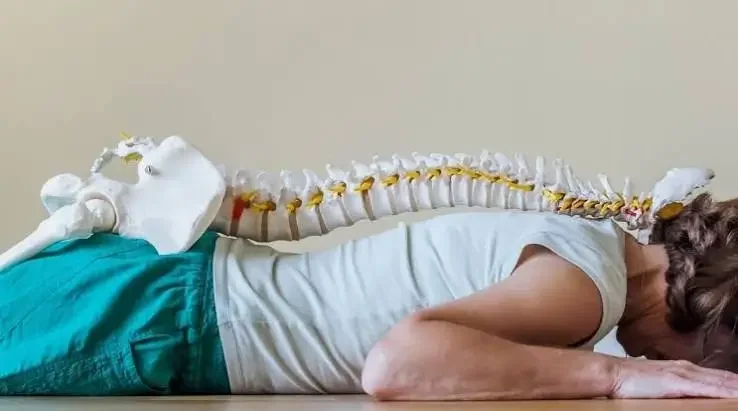
Common Signs You May Need Spinal Decompression Therapy
Your body talks to you. Most people, though, ignore what it's trying to say. We see this all the time right here in our Urbandale office. Someone walks in. They're thinking their symptoms are just "getting older." That’s one of the biggest misconceptions we fight every day. But specific patterns point to something real happening with your spinal discs. And often, spinal decompression therapy is exactly what can help.
Here's what we notice most often:
Pain that shoots down your leg or arm. This is a big one. It usually means a disc is pressing on a nerve. Folks describe it as sharp, burning, or like pins and needles. It can run from your back right into your foot, or from your neck straight into your fingers.
Numbness or tingling that just won't quit. A little numbness after sitting too long? That's one thing. But if your hands go numb at your desk every day, or your toes tingle during your morning walk around Walker Johnston Park, that's your body waving a red flag. It's a real signal.
Back Pain that acts up when you sit. Sitting puts more pressure on your discs than standing does. If your lower back protests loudly during your drive down Highway 35, a disc problem could be why.
Morning stiffness that sticks around for over 30 minutes. Some stiffness when you first get up is normal. But feeling locked up for half an hour or longer? That's not.
Pain that kicked off after something specific. A fender bender. A bad fall. Even just picking up your toddler the wrong way. These moments can shift or bulge a disc. Sometimes the pain doesn't even show up for days, maybe even weeks later.
We see this a lot, people mix up muscle pain with disc pain. But they're not the same. Muscle pain is usually spread out, kind of achy. Disc pain is different, it follows a specific path. It traces along a nerve, like a line drawn right down your body. That's a key distinction, by the way.

If you said yes to at least two of those, it's really time for a check-up. And from the American Academy of Orthopedic Surgeons, disc issues are a big reason adults deal with chronic lower back pain.
But here's the thing I really want you to take away. These signs aren't saying something's permanently broken. What they mean is your body needs support, and it's not getting it right now. Spinal decompression therapy gently makes space between your vertebrae. This lets a bulging or compressed disc begin to heal itself.
It's surprising how quickly things can improve once that nerve pressure is gone. If these signs sound like you, our back pain treatment and sciatica relief pages show you what a visit here involves.
Please, don't wait for the day you just can't stand up.
When "Toughing It Out" Stops Working
We've seen this scenario happen countless times. A busy parent here in Urbandale (they're often multitasking constantly, ) starts feeling a dull ache in their lower back. They stretch a little. Maybe they take some ibuprofen. It gives them a little relief for a bit. Then, one morning, they bend down to tie their kid's shoes and can barely straighten up.
That's a super common progression. And it tells us the disc was stressed long before that big flare-up hit.
So, how do you really know if it's just regular back pain or something that needs spinal decompression therapy? Just ask yourself these three things:
Has this pain stuck around for over two weeks, without getting any better?
Does it feel different depending on how you're positioned, worse when you sit, but better when you lie down?
Is it messing with your sleep, your job, or even how you get to play with your kids?
Sciatica and Leg Pain: What These Signs Really Mean
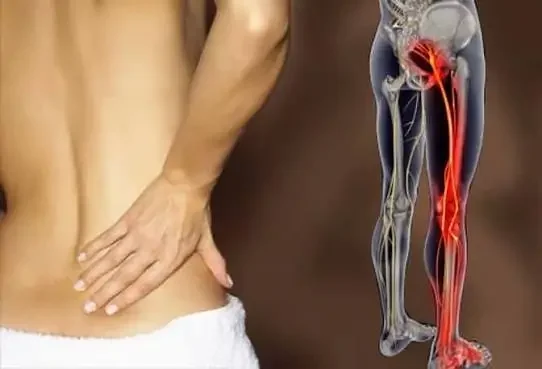
That shooting pain in your leg? That's not just a muscle cramp. It's your body giving you a super clear message. Sciatica happens when something presses on your sciatic nerve (it's the longest nerve in your whole body). It starts in your lower back, then travels down each leg. And when it's pinched or irritated, you truly feel it all over.
Most people describe sciatica as a burning or electric feeling. It might begin in your lower back, then move through your hip. It can shoot down the back of your thigh. Sometimes it gets all the way to your foot. Other times, it just stops at your knee. That pattern is important, though, because it shows us exactly where the signs of spinal nerve compression (https://www.acatoday.org/patients/neck-pain-and-chiropractic/) are showing up.
Common Signs That Point to Sciatica
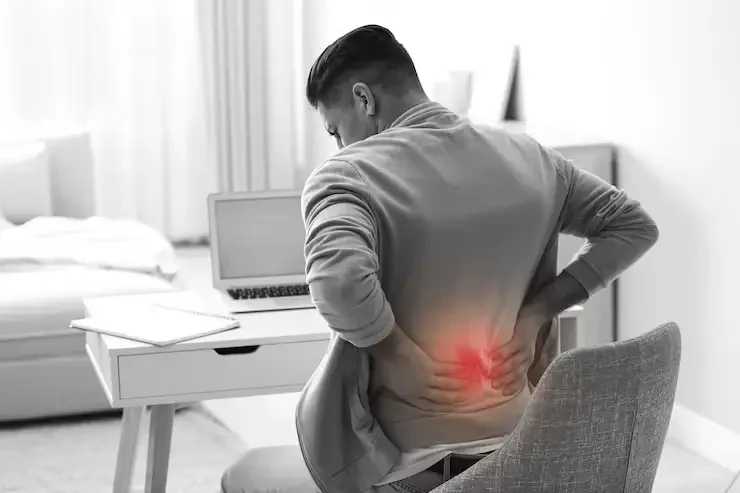
We see patients right here in Urbandale every single week. They've been living with these symptoms for months, often. They just assume it'll disappear on its own. But it rarely does. Here's what to keep an eye out for:
Pain that worsens when you sit too long. Think a daily commute on Highway 35, or sitting at your desk all day.
Tingling or numbness. It starts in your lower back and moves into just one leg.
A weak feeling in your leg or foot. This can make walking feel off.
Sharp pain. Happens when you stand from a chair or climb out of bed.
Burning in one hip or buttock. Just on one side.
One side only. That's a huge clue for us. Sciatica pretty much always hits just one leg. If both legs hurt the same, well, something else is probably happening.
Why Sciatica Doesn't Just "Go Away"
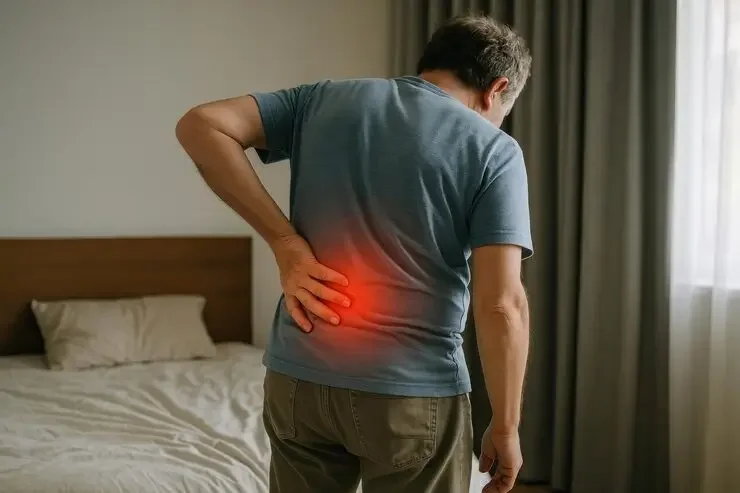
Here's what most people don't quite get. The pain you feel in your leg? That's not the actual issue. It's a symptom. It's telling you about pressure in your spine. A bulging disc, a vertebra that's out of alignment, or tight muscles near the spine. Those are the real culprits. The leg pain is simply where that nerve signal finally shows up.
I remember a patient last year. She thought she'd pulled her hamstring while gardening. She stretched it. She iced it. Rested for weeks. Nothing. Just didn't help. Turns out, her L5 disc was pressing on a nerve root. Her hamstring was never the problem. Her spine was.
That's why spinal decompression therapy can change everything for sciatica. It gently creates space between your vertebrae. This eases pressure off the disc, and off the nerve. The American Academy of Orthopaedic Surgeons tells us that most sciatica cases are about a herniated disc pressing on the nerve root. And truly, going after that root cause beats just chasing the pain.
When Leg Pain Becomes Urgent

Some signs? They mean you need to move fast. If you suddenly lose control of your bladder or bowels, and have leg pain, that's an emergency. Go to the ER. But even without that, don't wait until you literally can't walk before you get help.
Sciatica that's hanging around for more than a couple weeks? It probably won't just disappear. The longer that nerve stays compressed, the tougher recovery can get. We see this all the time. Someone waits for three months, just hoping it resolves. By then, their body's already compensating. Their posture shifts. And now they often have back pain added to the leg pain.
So, if you're dealing with leg pain that just keeps shooting down and won't quit, it's really worth learning about what spinal decompression therapy can do. Our main service page details how we handle nerve pain and lower back relief. Getting smart about this now can save you months of frustration down the road.
Your leg pain? It's talking. Listen closely.
Red Flags That Mean You Should See a Doctor Now

Most back pain? Not an emergency. But some symptoms absolutely cross a line. They stop being that "I worked out too hard" feeling. Instead, it turns into "something serious is really going on inside." And knowing the difference? That matters more than you probably realize.
We see people in Urbandale every week who just waited too long. They figured the pain would resolve itself. And sometimes it does, sure. But when specific warning signs appear, you really need a medical check-up first. Before you try spinal decompression therapy, or anything else.
Symptoms That Need Urgent Attention

Here's what needs immediate doctor attention:
Sudden loss of bladder or bowel control, along with back pain.
Numbness in your inner thighs or groin.
Real weakness in one or both legs that developed quickly.
Back pain that came after a fall, car crash, or direct hit.
Pain that wakes you up nightly, every single night, and just won't quit.
That very first one? That's the huge one. Losing bladder or bowel control plus back pain can mean something called cauda equina syndrome. The American Association of Neurological Surgeons says this needs emergency care (it's rare, but very real) to stop permanent nerve damage. But it needs fast action.
And here's something many people don't grasp until it's too late. Numbness that slowly creeps down both legs over a few days? Just as serious as sudden numbness. Don't try to wait that out.

Pain That Doesn't Act Like Normal Back Pain
Normal muscle strain gets better with some rest. It feels better with ice. It eases up when you shift positions. Dangerous pain? It just doesn't play by those rules.
If your pain gets worse lying down, instead of feeling better, that's really odd. If it comes with weight loss you can't explain, or a fever, something different is happening. These patterns suggest an infection, a fracture, or other conditions. Those need imaging and a correct diagnosis before anything else.
What to Do After You've Been Cleared
I had a patient one time. She came in thinking she just had a stiff back from working at her desk all day, over near Hickman Road. Turns out, she had a minor compression fracture. Didn't even know it. We spotted it during her first assessment. Sent her for imaging right away, before doing anything else. That's the only call to make.
So, how do you tell if your situation is routine, or if it's something bigger? Trust the pattern you're seeing.
Pain that started after a clear event and sticks to one spot? That's typically mechanical. Pain that appeared for no obvious reason, keeps spreading, or shows up with other body changes needs a much closer look.
Once a doctor confirms no fractures, no tumors, no infections, and no nerve emergencies, that's when spinal decompression therapy becomes a real option. So many people in Urbandale get cleared by their family doctor. Then they just don't know what to do next. They simply keep living with the pain.
That's the part that truly gets to me. You did the hard work, you got checked out, you got good news that nothing is structurally dangerous, and then you just stop. The pain is still there, it's very real. The disc problem is still there. You still can't pick up your kids without a wince,
Getting cleared by a doctor? That's just the starting line, not the finish.
If you've already seen a doctor, and your pain is hanging on, our back pain treatment and nerve pain relief services are made for exactly this kind of situation. Check out our main page. You can learn how spinal decompression therapy works there and if it's what you need.
But if any of those red flags we talked about sound like what you're dealing with right now? See a doctor first. Always do that.
Frequently Asked Questions
How do I know if my back pain is serious enough for spinal decompression therapy?
You likely need a check-up if pain lasts more than two weeks, changes with your position, or affects your sleep and daily tasks. Many Urbandale patients wait too long, hoping it will fade on its own. Pain that shoots into your leg or arm, numbness, or stiff mornings are also strong signs. If two or more of these sound familiar, it's time to get checked instead of guessing.
Is spinal decompression just a fancy stretch, or does it actually help discs heal?
Spinal decompression is more than stretching. It gently creates space between your vertebrae, easing pressure on a bulging or compressed disc. That reduced pressure allows the disc to start healing itself. A common mistake in Urbandale is assuming this pain is just "getting older." Age plays a role, but real disc pressure is fixable with the right approach, not something you simply live with.
What's the difference between sciatica pain and regular muscle soreness?
Sciatica follows a clear nerve path, while muscle soreness spreads out and feels achy. Sciatica often starts in your lower back and travels down one leg, sometimes reaching your foot. It also usually affects only one side of your body. Muscle pain rarely does that. Noticing this difference helps you know whether stretching at home is enough, or whether it's time for professional care.
What should I expect during a spinal decompression evaluation?
You can expect a review of your symptoms, a look at how you move, and questions about when the pain started. We check whether your pain follows a nerve path or spreads out like muscle soreness. This helps us tell disc problems apart from simple strain. Our back pain treatment page walks through what a full visit looks like, so you know exactly what happens before you come in.
Why does my back hurt more when I sit during my commute on Highway 35?
Sitting puts more pressure on your spinal discs than standing does. If your commute down Highway 35 leaves your lower back sore, a disc issue could be the reason. Long stretches in traffic or at a desk add stress to discs that are already under strain. Standing up, walking briefly, or shifting position can ease this. If sitting always triggers pain, it's worth having your spine checked.
Could my numb hands or tingling toes in Urbandale really be a spine problem?
Yes, ongoing numbness or tingling can point to nerve pressure from your spine. A little numbness after sitting a long time is normal. But daily numb hands at your desk, or tingling toes during a walk around Walker Johnston Park, are signals worth paying attention to. These feelings often mean a nerve is being pinched somewhere along your spine, not just poor circulation.