
Spinal Decompression vs. Chiropractic Adjustment: Which Is Better?
Spinal decompression and chiropractic adjustments treat different causes of back and neck pain. Spinal decompression reduces pressure on damaged or bulging discs, while chiropractic adjustments restore movement to restricted spinal joints. This article explains how each treatment works, the conditions they are best suited for, and why a comprehensive spine examination is essential for determining the most effective treatment plan based on the underlying cause of your symptoms.
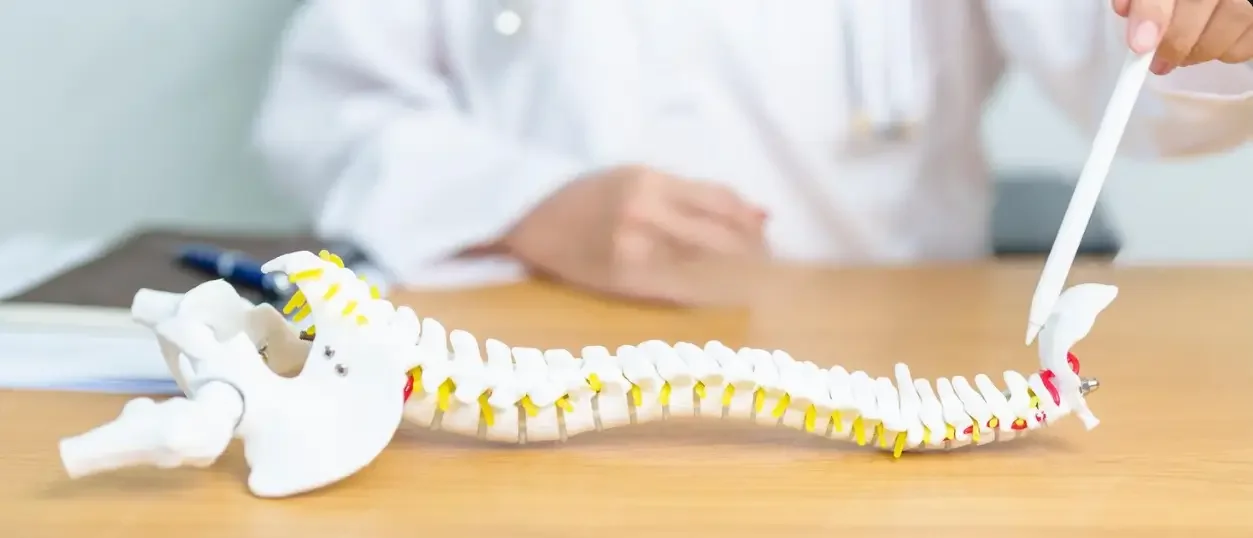
Chiropractic Adjustments Target Joint Mobility, Not Disc Pressure
A chiropractic adjustment does something very different. It focuses on how your joints move. When a joint gets stuck, restricted, your body changes. You start moving awkwardly. Muscles get tight. Pain pops up in strange spots.
We aim to bring back proper motion to a specific joint. Your chiropractor uses a quick, controlled force. This moves a joint that isn't moving well alone. That's it. No spine stretching. No traction pulling vertebrae apart. Just getting things unstuck. Your body can then do what it's meant to.
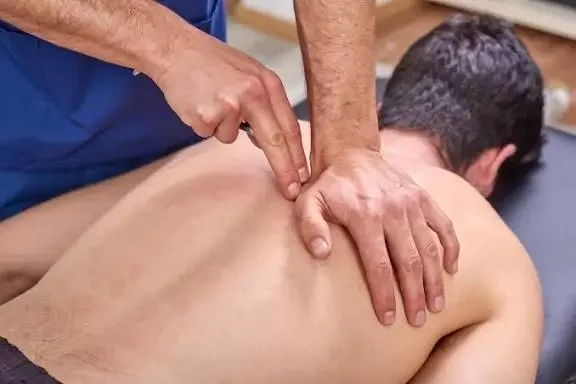
Common Reasons People Need Adjustments
Why do joints get restricted? Life,. Sitting at a desk all day near Hickman Road. Hauling kids around. Sleeping funny. Stress is a big deal too. Your body holds tension in your spine, you know?
Neck stiffness and tension headaches from poor posture or screen time
Lower back pain that gets worse after sitting for long periods
Reduced range of motion in the mid-back or shoulders
Joint pain after a sports injury or car accident
These issues are about joint function. The disc isn't bulging. Not herniated. The joint is stuck, and your nervous system sends pain signals. An adjustment hits that problem directly. We tell patients constantly: you don't realize how good you can feel. Not until your joints move properly. You get used to stiffness. You just assume it's aging. It's not.
But here's something real. An adjustment won't fix a disc issue like decompression can. They solve different things. If a bulging disc presses on a nerve, an adjustment might not be enough. If restricted joints cause pain and stiffness, an adjustment is perfect. That's why a real evaluation matters. The right path depends on your spine's story. If back or neck pain has you stumped, our back pain treatment and neck pain treatment pages explain how we figure it out. For every person.
What Happens During an Adjustment
Here's how a typical visit goes. You come in. We talk about what's bothering you. Then, we check your spine by hand. We're feeling for joints that aren't moving right. When we find the spot, we explain everything first. Every single time.
The adjustment itself takes seconds. You might hear a pop or crack. That's just gas escaping from joint fluid. It's normal, nothing to worry about. Most patients feel looser right away, others notice changes over a few visits.
We see lots of Urbandale families. They come in thinking they just need their back "cracked." But an adjustment is more precise. Each one hits a specific joint. At a specific spine level. It's never random.
Spinal Decompression Targets Disc Pressure, Not Joint Alignment

By the way, most folks don't get this until they hurt. Spinal decompression and chiropractic adjustment do totally different things. Not two versions of the same treatment, nope. They target different parts, fix different problems. And feel different too.
Spinal decompression works on your discs. Those soft cushions between spinal bones. When a disc bulges, herniates, or dries out, it can squish nerves. That pressure creates pain, numbness, or tingling.
Down arms or legs. Severe nerve compression sometimes needs other spinal cord injury treatment options beyond conservative care. Decompression uses a slow, steady pull. This creates negative pressure inside the disc. It can pull bulging material back. And helps fluid and nutrients flow in.
What Happens During Spinal Decompression

You lie on a special table. It gently stretches your spine. In cycles. Each cycle runs about 30 to 60 seconds, the table pulls, then relaxes. A typical session lasts 20 to 30 minutes. Most patients say it's like a deep stretch. Some even fall asleep. It’s pretty gentle,.
The goal is clear: lower the pressure on your disc. So your body can heal itself. The National Institutes of Health says disc degeneration hits about 40 percent of people under 30. And over 90 percent of people over 50. That's a lot of worn-out discs in Urbandale alone, you know?
But here's the kicker. Decompression doesn't move your joints back. It doesn't fix misalignments. It won't bring motion back to a stuck joint. Or mend how your whole spine moves.
How Chiropractic Adjustment Differs

We had a patient from the Hickman Road area. Sciatica for months. She figured she needed her back "cracked." But her exam showed a disc pressing a nerve. An adjustment alone wouldn't have done it. She needed a plan for disc pressure first.
Which is right for you? It really depends. What's causing your pain? A good exam tells us: joints, discs, or both. Many Urbandale residents benefit from both approaches. Over time. If back pain, neck pain, or sciatica has you wondering, our back pain treatment page explains how we figure things out.
So, listen: spinal decompression and chiropractic adjustment aren't rivals. They're just different tools. For different issues.
How a Spine Exam Determines Which Treatment You Need
Most people walk in asking, "What fixes this?" But the honest truth? It's always about what your spine tells us.
So, a spine exam always comes first. Not a guess. No cookie-cutter plan. A real look at your body. How it moves. Where it's stuck. What hurts.
An adjustment aims for the joints themselves. If a vertebra isn't moving right, we call that a subluxation. The joint gets stuck. Or shifts slightly. This irritates nearby nerves. And creates muscle tension.
During an adjustment, we use a quick, controlled push. This restores joint motion. You might hear a pop, just gas from the joint fluid. It's quick. And precise.
We see this mixed up all the time. Someone thinks they need decompression. But they really need an adjustment to get joints moving. Or the other way around. The right answer changes with what your spine needs.
Think of it simply. A kinked garden hose? You straighten it. That’s an adjustment. Hose itself is cracked and leaking? You need to patch the material. That's more like what decompression does. For a damaged disc.

What Happens During a Spine Exam
A good spine exam follows a process. Here’s what it looks like at our Urbandale office:
We go over your history. When did pain start? What makes it worse? Does it move down a leg? Or stay put?
We check your range of motion. Can you bend forward easily? Turn your head all the way?
We feel your spine by hand. This shows us locked joints. Guarding muscles. Hidden inflammation.
We test your nerves. Reflexes, sensation, muscle strength. These point to a disc pressing on a nerve root.
We check images if needed. X-rays or old MRIs confirm what we feel.
Every step narrows things down. By the end, if it's a joint that won't move right, a bulging disc, or both, it really clarifies things.
How the Exam Points to the Right Treatment
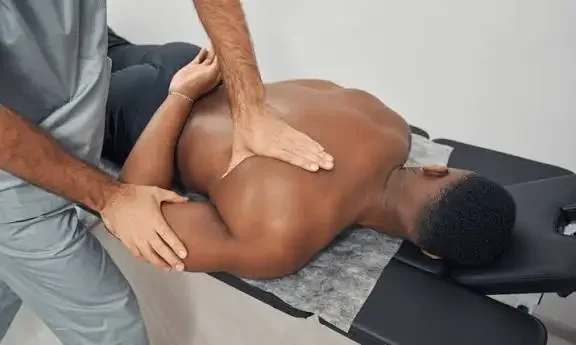
We see this a lot. Someone comes in convinced they need spinal decompression. Because a friend raved about it. But their exam shows a stuck joint. In the mid-back. Zero disc problems. An adjustment is a better fit then.
The opposite happens too. A busy parent from the Hickman Road corridor. Shooting pain down one leg. They've been "cracking" their own back for weeks. Our exam shows a lumbar disc. Pressing on a nerve. That responds well to decompression. Not just an adjustment.
Without the exam? You're just taking a shot in the dark.
We've treated Urbandale families long enough to know this: no two spines are the same. A teenager with a sports injury needs something different. Than a pregnant mom with low back tension. The exam connects your symptoms to the right plan.
Signs That Point Toward Each Treatment

Your exam findings usually fall into patterns. Here’s how we guide the decision.
Stiff, restricted joint motion? A chiropractic adjustment helps.
Pain with numbness or tingling? Nerve compression. Decompression can help.
Muscle spasms without nerve symptoms? An adjustment, maybe soft tissue work.
Chronic disc issues not getting better? Decompression sessions often work.
Sometimes, the answer is both. Treatments used together, over time. The exam tells us where to begin. And what to focus on.
And this matters most, you know? An informed patient makes better choices. About their own care. That's the whole point of the exam. It's not just for us to plan. It's for you to truly get what’s happening in your body. When you grasp why we pick an approach, you trust the process. You stick with it. You get better results.
Unsure what treatment fits? Start with an exam. Visit our back pain treatment page. Learn how we find the best path. For you and your family.
Frequently Asked Questions
How do I know if I need spinal decompression or a chiropractic adjustment?
You can't tell just by how your pain feels. Joint pain and disc pain often feel similar, but they need different care. A spine exam checks your joints, discs, and nerves to find the real cause. Many Urbandale patients think they need one treatment but actually need the other. Our back pain treatment page explains how we run this exam and match your spine's specific issue to the right plan.
Can spinal decompression and chiropractic adjustments be used together?
Yes, many Urbandale residents use both treatments over time. This works well because they fix different problems. Decompression lowers pressure on a bulging or worn disc. An adjustment restores motion to a stuck joint. If your exam shows both issues, combining them can speed up how you feel. Your treatment plan should match what your spine actually needs, not just one method by default.
What's the difference between a bulging disc and a stuck joint?
A bulging disc is a soft cushion between your spine bones that's pushing out of place. A stuck joint is a bone that isn't moving right, even though the disc is fine. Bulging discs often cause numbness or tingling down your arms or legs. Stuck joints usually cause stiffness and pain in one spot. Each problem needs a different fix, which is why a hands-on exam matters before starting any treatment.
Is it normal to hear a popping sound during treatment?
Yes, popping during a chiropractic adjustment is normal. That sound is just gas releasing from the joint fluid, not bones grinding or breaking. Spinal decompression, on the other hand, doesn't usually make any popping sound. It's a slow, gentle stretch instead of a quick push. If you hear a pop and worry something's wrong, know it's a common, harmless part of joint movement returning to normal.
Why does sitting at a desk job cause spine problems?
Sitting for hours puts steady pressure on your discs and locks up your joints. This is common for people working near Hickman Road who sit at desks all day. Over time, discs can dry out or bulge, and joints get stiff from staying in one position. Your body starts to hold tension in your neck and lower back. Getting up and moving often helps, but ongoing pain usually needs a real spine exam.
How long does it take to feel better after treatment?
Some people feel looser right after a chiropractic adjustment, while others notice changes over a few visits. Spinal decompression usually takes longer since it works slowly on disc pressure over repeated sessions. Your timeline depends on how long you've had the problem and whether it's a joint issue, a disc issue, or both. A clear exam gives you a realistic idea of what to expect for your own spine.