
What Sports Injury Recovery & Performance Costs (And What Changes the Price)
Sports injury recovery costs depend on the type and severity of your injury, the treatments needed, and how many visits are required rather than a fixed price. This article explains what factors influence the cost of sports injury care, what is included in a typical visit, when services like sports massage or near infrared light therapy may be recommended, how insurance may affect your expenses, and why every treatment plan is personalized to your recovery goals.

The Real Price Range for Sports Injury Recovery & Performance Care
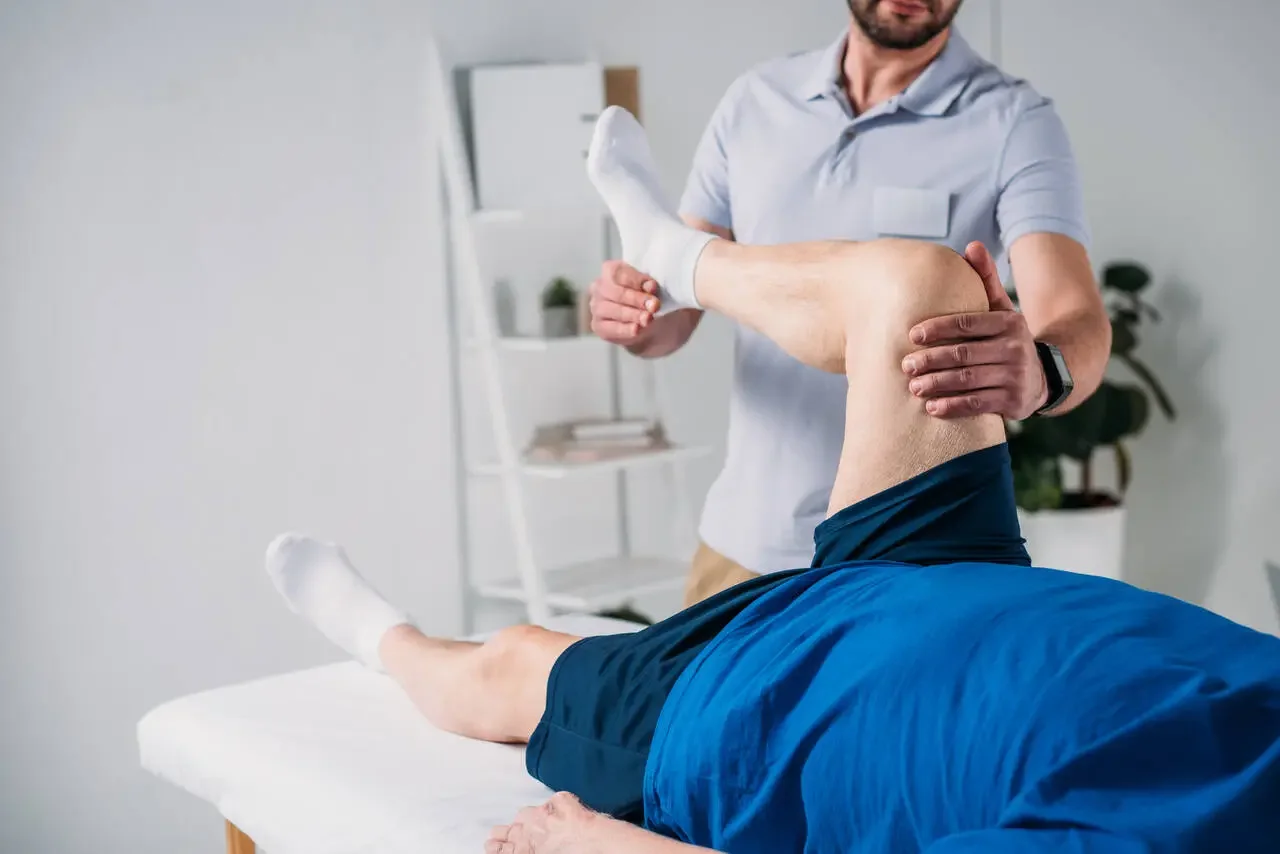
What you pay depends on the injury itself, how often you need to come in, and whether you're dealing with a single strained joint or ongoing performance work. We don't quote a flat number over the phone, because two athletes with the same complaint can walk away needing very different plans.
There's no single price tag that fits every sports injury. A runner nursing a tight hip flexor and a teen dealing with a repeat shoulder strain from throwing don't need the same care, and they won't end up paying the same amount either. What actually moves the price is visit frequency and recovery time, not the exam itself.
The first visit is about more than pinpointing where it hurts. We look at how you move. For an athlete, that means checking the joint or muscle in question, but also watching for posture or movement patterns that might be putting stress on something else entirely. That evaluation is where we build your plan, and the plan, not some fixed menu of add-ons, is what determines the total cost.
How many visits it takes to calm the injury down versus building longer-term strength and mobility
Whether the injury stands alone or connects to a posture or movement pattern that needs its own attention
Whether sports massage therapy gets added alongside adjustments to support muscle recovery
How your insurance handles chiropractic and related care, since coverage varies by plan
What Drives Your Price Up or Down
The biggest factor is simply how much time your body needs to heal. A teenage athlete who twisted an ankle at practice and just needs a mobility check will move through care faster than a runner nursing hip pain that's been building for months. That first visit is where we figure out what's actually going on with your joints, your posture, and how you move, and that assessment shapes both how many visits we recommend and what happens during them.
How recent the injury is versus something that's been nagging for weeks or months
Whether you need adjustment work alone or adjustment paired with sports massage therapy
Whether Near-Infrared light therapy gets added to speed up tissue recovery
How many areas of the body are involved, not just the spot that hurts
Whether you need a single tune-up before a season or ongoing performance care through it
How your posture and movement patterns are contributing to the injury in the first place
Postural Analysis & Correction often gets folded right into these visits, especially for athletes whose form under load is part of the problem, which adds a step to the appointment rather than a separate visit down the road. Sports massage therapy comes into play when soft tissue is tight around the injury and adjustment alone won't loosen it up. Neither gets added automatically, though. We only bring in what your body tells us it needs that day.
One thing we won't do is sell you a long package before we've seen how you respond to the first couple of visits. Some athletes bounce back quickly and only need a handful of sessions. Others, especially with an injury that's been ignored for a while, need more time to get there. We'd rather tell you that honestly up front than guess wrong in either direction. You can see the full range of what falls under this care on our main service page, which lays out how adjustment, massage, and light therapy fit together for athletes at different stages of recovery.
Where you are in your season matters too. A pre-season screening for a young athlete usually looks pretty different from mid-season pain management for someone still competing every week. We build each visit around what's actually happening in your training right now, not a fixed script.
We're not in the business of tacking on services just to fill out a visit. If a straightforward strain clears up in a handful of sessions, we'll tell you that upfront, and that's exactly what you'll be billed for.
If it's something more involved, tied to training load or an old injury that never fully healed, we'll say that too, and walk you through what a longer plan looks like before you commit to anything.
We treat athletes for a wide range of issues under this kind of care, and depending on what's going on with your body, that can overlap with our Sports Massage Therapist services or postural work.
Need Sports Injury Recovery & Performance?
Call (515) 461-9738 now to schedule your appointment.
What's Included in a Visit and What's Billed Separately
A visit starts with a conversation, not a treatment table. We ask what happened, when it started, and which movements or activities tend to trigger it. Next comes a physical check of the joint, muscle, or area in question, looking at range of motion and where things feel restricted. From there, we adjust whatever needs adjusting. For most athletes and active adults dealing with a strain, sprain, or overuse issue, that's the core of the appointment.
Anything beyond the exam and adjustment is treated as its own service. Near-Infrared (NIR) Light Therapy and sports massage therapy both fall into that category. Some patients want one or both folded into their recovery plan, and plenty don't need either. We don't tack them onto every visit as a default, since not every sprain or strain calls for the same combination of care.
History and movement check for the injured area
Chiropractic adjustment where indicated
Postural analysis if it's tied to the injury pattern
NIR Light Therapy, offered as a separate service when it fits the recovery plan
Sports massage therapy, offered as a separate service when muscle work is called for
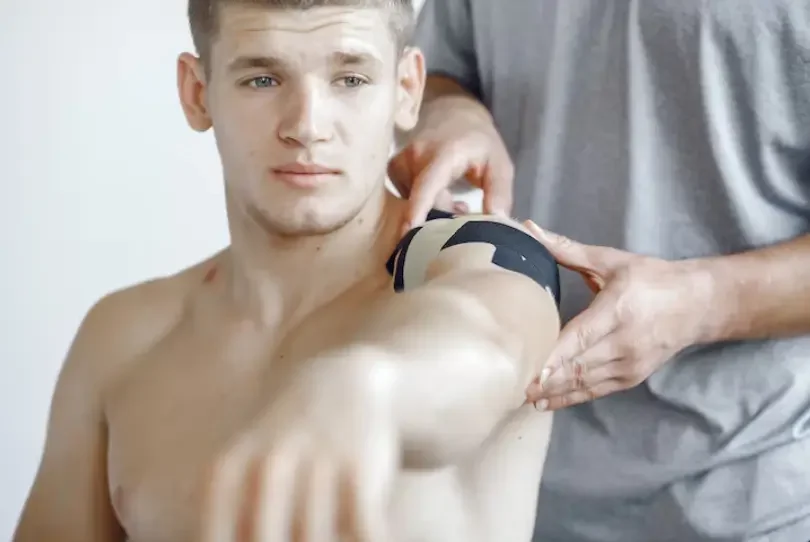
We're Webster Certified, a credential most people connect with prenatal care, though the underlying technique work informs how we assess alignment and joint function more broadly. That training shapes the way we look at an athlete's hips, spine, and pelvis when something's out of sync after a game or a hard training block.
Not every injury needs every service on our list. If a hamstring strain is responding well to adjustment and a home stretching routine, we won't push massage or light therapy on you just because they're available. We'll tell you what we think the injury actually needs, and the decision from there is yours.
For a broader look at how this care fits into overall treatment planning, our Sports Injury Recovery & Performance page walks through the full approach.
Imaging, referrals to other providers, and specialty testing aren't things we handle in-house. When an injury looks like it needs that level of workup, we'll say so directly rather than trying to treat around it.
The Most Common Visit and What It Typically Runs
A typical visit starts with a conversation about what happened and how the area has felt since. We watch how you move, not just where it hurts, since a sore shoulder can trace back to something going on at the hip or the spine. From there, we adjust what needs adjusting and work through the soft tissue with sports massage therapy wherever the injury calls for it.
For some athletes, that first visit also includes near-infrared light therapy on the injured area and a look at posture and movement patterns that may have set the injury up in the first place. That postural check matters more for repeat overuse injuries, like a runner whose hamstring tightens up the same way every season, than it does for a one-time collision or fall.
How many visits it takes depends on the injury, how long it's been around, and how your body responds week to week. A rolled ankle from last weekend's game is a different situation than a shoulder that's nagged a swimmer for two seasons. We build the plan around what we find at that first visit, not around a set number of appointments decided in advance.
Every injury doesn't need the same care schedule, because bodies simply don't work that way. Some athletes notice a real difference after a couple of visits and taper off from there. Others, especially with longer-standing overuse patterns, need a stretch of consistent care before things settle down. We'll tell you what we're seeing at each visit, so you know whether progress is happening or whether the plan needs to change.
We won't push a long-term plan on someone whose injury has already resolved. Once you're back to full training and pain-free, that's the point where visits taper off or stop, unless something new comes up.
Financing and Payment Options
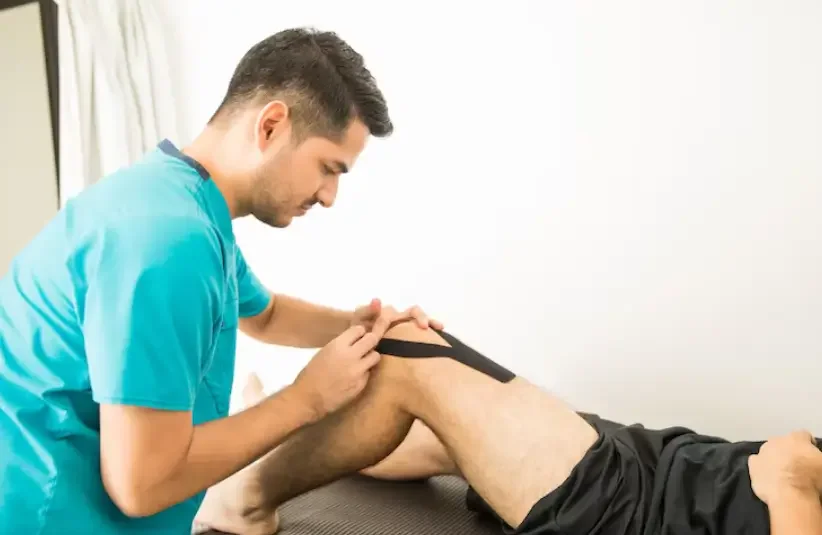
We don't quote a flat number for this care, because no two athletes need the same amount of it. A sprained ankle from a weekend soccer game and a shoulder that's been bothering a high school pitcher all season don't call for the same number of visits, so the price follows the plan rather than the other way around.
Everything starts with an evaluation. That's where we look at what's actually going on, whether it's a fresh injury or something you've been playing through for weeks, and build a plan from there.
Some people only need a handful of visits. Others, especially athletes working toward a return-to-play date, need a more involved schedule of adjustments and follow-up. We walk through what that looks like before you commit to anything, so you're not left guessing what the next month has in store.
We see patients across all ages and activity levels for this care, and payment gets sorted out visit by visit rather than as a package price quoted over the phone before we've even watched you move. If you're comparing this to another type of care, or just want a rough sense of what a plan for your situation might cost, calling the office is the fastest way to get a real answer instead of a guess based on someone else's injury.
We won't push a long-term plan on someone whose injury doesn't need one. If a few visits and some at-home adjustments get you back to your sport, that's exactly what we'll recommend. We'd rather see you back on the field than sitting in our waiting room longer than necessary.
Care plans are built after an evaluation, not quoted sight unseen
Visit frequency depends on the injury, not a set package
Athletes on a return-to-play timeline may need a different schedule than a general strain
We'll tell you if fewer visits will do the job
Frequently Asked Questions
What's included in the price of a visit, and what costs extra?
Your visit price covers a history and movement check of the injured area, plus a chiropractic adjustment where it's needed. Postural analysis is folded in when it's tied to the injury pattern. Near-Infrared light therapy and sports massage therapy are billed as separate services. We only add those when your body needs them that day, not as a default part of every visit.
Will my insurance cover this care?
Coverage depends on your plan, since chiropractic and related care isn't handled the same way across insurers. We don't promise a set coverage amount because we don't control what your specific plan pays. Part of building your care plan includes talking through how your coverage applies, so you know what you're responsible for before charges add up.
Do I have to commit to a package of visits upfront?
No. We won't sell a long package before seeing how you respond to the first couple of visits. Some athletes recover in a handful of sessions. Others, especially with an injury that's been building for a while, need more time. We'd rather tell you that after we see your progress than guess at a package size on day one.
Does adding sports massage or light therapy automatically raise my cost?
Only if your recovery plan calls for it. Sports massage therapy comes in when soft tissue is tight around the injury and adjustment alone won't loosen it. Near-Infrared light therapy gets added when it fits the tissue recovery goal. Neither gets tacked on automatically, so your cost reflects what your body needs, not a fixed menu of add-ons.
Why do price estimates vary so much between athletes with similar injuries?
Two athletes with the same complaint often need different plans, and that's what changes the price. Visit frequency, how recent the injury is, how many areas of the body are involved, and whether soft tissue work gets added all play a part. A tight hip flexor and a repeat shoulder strain don't move through care the same way, even if both start with a similar first visit.